DeFi-connected NFT marketplaces combine tokenized ownership with trading, staking, lending, and other digital asset utilities. Their architecture must coordinate smart contracts, wallets, pricing and settlement mechanisms, reliable metadata, and asset discovery. Chain selection, contract security, and off-chain infrastructure become especially important when marketplaces involve financial features or tokenized physical assets.
1. Itexus
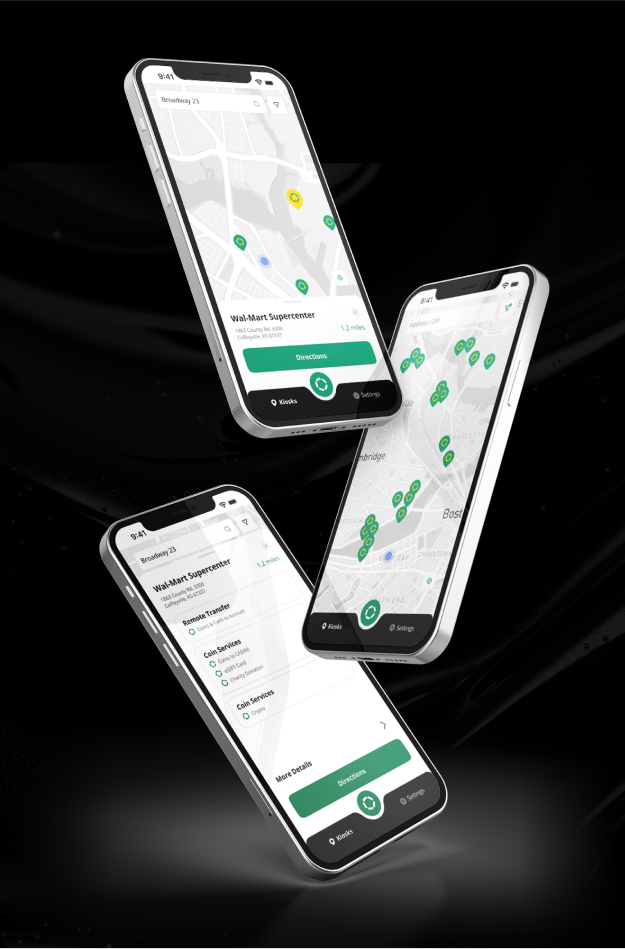
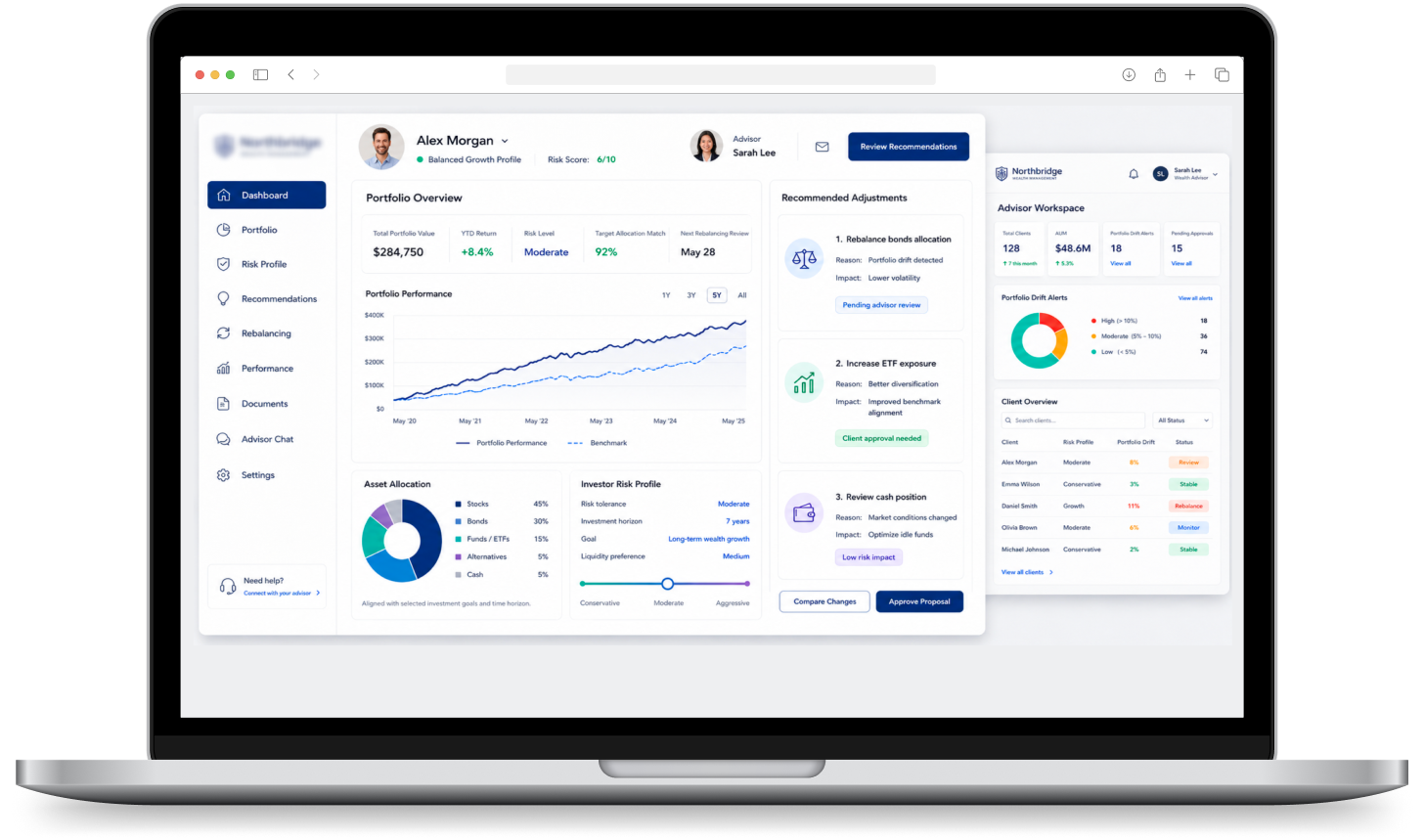
Itexus develops financial software and blockchain applications, bringing its fintech engineering experience to decentralized products. Its blockchain offering includes smart contract development, decentralized applications, token-related workflows, and DeFi functionality such as lending, staking, and exchange integrations. The company also covers NFT marketplace considerations, including digital asset listings, wallet connections, and transaction flows.
For a DeFi-linked NFT marketplace, Itexus is relevant when the trading experience must work alongside financial systems, customer onboarding, or a custom backend. Its broader expertise in payments and financial application development is particularly useful when the marketplace needs more than an isolated minting contract.
Key Facts
- Best for: Fintech-oriented NFT and DeFi products
- Core services: DeFi NFT marketplace development, blockchain software, smart contracts, DeFi applications, fintech development
- Specialization: Digital asset workflows, wallets, custom web and mobile applications
- Headquarters: Dover, DE, USA
- Founded: 2013
- Team size: 150+ engineers
Contact Information
- Website: itexus.com
- Email: moc.suxeti@ofni
- LinkedIn: www.linkedin.com/company/itexus
- Facebook: www.facebook.com/itexus
- Twitter: x.com/ItexusSoft
- Instagram: www.instagram.com/itexus.soft
- Address: 8, The Green, STE road, Dover, DE 19901, United States
Itexus is a trusted partner










Itexus delivered the app according to the requirements. The team met all development milestones and deliverables. They were efficient, friendly, and cooperative. Itexus team was very timely with updates, a regular meeting cadence, and ad-hoc questions and answers via Slack. The team was very responsive and still is.
Stive Jackson
RMD, Investing Fund
Itexus’ work positions the business well for an imminent launch. They excel at managing their team, presenting frequent product demos to ensure that the project is aligned with development goals. An affordable price structure coupled with remarkable technical skill makes them an attractive partner.
Phill Osolinski
CEO Ryze Rewards
The assigned team was easy to work with and they are especially strong collaborators and communicators. They demonstrated flexibility, professionalism, and trust in everything they did, and completed the work on time and budget.
Sue Wollan Fan
CEO Mango Connects
Itexus excelled at both experimental AI and sprint-oriented UI/UX tasks. Itexus did strong project management work, too, a necessity in such a complicated project.
Jesse Dubin
Senior PM Standard&Poors
They’re a great group of developers who really understand the reality of business.
Andreea Vanacker
CEO SPARKX5
2. Blockchain App Factory
Blockchain App Factory builds custom NFT marketplaces on ERC-721, ERC-998 and ERC-1155, with smart contract creation and auditing, wallet integration, IPFS storage, staking and DAO governance. Its NFT line also covers aggregators, launchpads, rental, minting, ticketing and Bitcoin Ordinals marketplaces on Ethereum, Polygon, BNB Chain, Solana and Avalanche.
The marketplace feature set it describes includes lazy and batch minting, English and Dutch auctions, split royalties, fractional NFTs, NFT lending and fiat on-ramps. Named projects include Enigma.art, MintySwap, Woonkly, Plastiks and Champagne Wives Club. It suits founders who want a marketplace with DeFi mechanics such as staking and lending built in.
Key Facts
- Best for: NFT marketplaces with staking, lending and launchpads
- Core services: NFT marketplaces, smart contracts, NFT launchpads, aggregators, staking platforms
- Specialization: Multi-chain NFT trading, royalties and fractional ownership
- Headquarters: Chennai, India
- Team size: 201–500 employees
Contact Information
- Website: blockchainappfactory.com
- Address: Prestige Palladium Bayan, Greams Road, Chennai, Tamil Nadu 600006, India
- LinkedIn: www.linkedin.com/
company/ blockchainappfactory

3. Endava
Endava is a large technology services company whose blockchain work includes NFT marketplace engineering. For a US gaming company's joint venture with a figure from the NFT art scene, it built a digital art marketplace with auction and fixed-price sales and transparent commission rates.
The published case study describes Solidity smart contracts deployed with Hardhat on Ethereum and Flare, and The Graph as an indexing and caching layer between the chain and the marketplace. A team of six developers, two testers, a business analyst and a scrum master also delivered reusable microservices for the client's wider platform. It suits established companies adding an NFT marketplace to an existing product.
Key Facts
- Best for: Enterprises adding NFT marketplaces to existing platforms
- Core services: NFT marketplace engineering, smart contracts, microservices, QA
- Specialization: Ethereum and Flare marketplaces with indexed on-chain data
- Headquarters: London, UK
- Founded: 2000
- Team size: 10,001+ employees
Contact Information
- Website: endava.com
4. LeewayHertz
LeewayHertz offers NFT marketplace development as part of its Web3 practice, next to smart contract audits, crypto wallet development and Web3 game development. Its blockchain work spans Ethereum, Solana, Tezos, Stellar, Cosmos, Hyperledger and Substrate, with Golang and Rust engineering.
Because the same firm also builds wallets and audits contracts, a marketplace project can keep the trading interface, wallet layer and contract review with one team. It suits companies that want an NFT marketplace delivered by a broad software firm with blockchain consulting alongside the build, rather than a template product.
Key Facts
- Best for: NFT marketplaces needing wallets and contract audits
- Core services: NFT marketplace development, smart contract audits, crypto wallets, Web3 games
- Specialization: Web3 products on Ethereum, Solana, Tezos and Stellar
- Headquarters: Gurugram, India
- Founded: 2007
Contact Information
- Website: leewayhertz.com
- Email: moc.ztrehyaweel@selas
- LinkedIn: in.linkedin.com/
company/ leewayhertz-technologies

5. Innowise
Innowise offers dedicated NFT marketplace development alongside wider blockchain, web, and mobile engineering. Its services include platform architecture, marketplace interfaces, smart contracts, wallet integration, payment mechanisms, and support for NFT trading across blockchain networks. The company provides both custom marketplace builds and work on existing digital asset products.
A published Web3 Pro engagement gives its NFT practice a concrete reference: Innowise worked on a white-label NFT marketplace with web and mobile components. That blend of reusable infrastructure and custom engineering suits teams seeking an NFT product that also needs substantial user-facing development, integrations, and long-term support.
Key Facts
- Best for: Custom and white-label NFT marketplaces
- Core services: NFT marketplace development, blockchain applications, web and mobile engineering
- Notable projects: NFT marketplace work for Web3 Pro
- Headquarters: Warsaw, Poland
- Founded: 2007
- Team size: 1,001–5,000 employees
Contact Information
- Website: innowise.com
- Email: moc.esiwonni@tcatnoc
- Twitter: x.com/
innowisegroup - LinkedIn: www.linkedin.com/
company/ innowise-group - Address: Rondo Daszyńskiego 2B, The Warsaw HUB B, 00-843 Warszawa, Poland
- Phone: +48 517 370 938
6. PixelPlex
PixelPlex works across blockchain applications, tokenization, and NFT marketplace development. Its NFT offering addresses collection management, smart contracts, digital asset trading, and marketplace interfaces, with additional coverage of marketplaces tied to fashion, gaming, and other specialized categories. The company also discusses decentralized-finance features involving NFTs, including lending and staking-related models.
That cross-over between NFT commerce and financial mechanisms makes PixelPlex relevant for marketplaces that treat a token as an active financial asset rather than only a collectible. Its wider blockchain services support decisions around chain selection, smart contract structure, wallet interactions, and application architecture.
Key Facts
- Best for: NFT trading platforms with DeFi features
- Core services: NFT marketplaces, smart contracts, blockchain and tokenization development
- Marketplace focus: Digital collectibles, gaming assets and NFT-linked financial workflows
- Headquarters: New York, NY, USA
- Founded: 2007
- Team size: 51–200 employees
Contact Information
- Website: pixelplex.io
- Email: oi.xelplexip@ofni
- LinkedIn: www.linkedin.com/
company/ pixelplex-inc - Facebook: www.facebook.com/
pixelplex.inc - Twitter: x.com/
pixelplexinc - Address: West 28th Street, Suite 31, New York, NY 10001, USA
- Phone: +1 646 490 0772
7. Debut Infotech
Debut Infotech develops NFT marketplace platforms with support for minting, token transactions, wallet integrations, and smart contract functionality. Its broader blockchain portfolio extends into DeFi applications and digital asset products. This gives buyers a route to commission both a trading marketplace and the connected on-chain components used to hold or transfer assets.
The company describes marketplace development across different blockchain ecosystems rather than a single fixed implementation. Its offering suits businesses that want to define the user experience, transaction rules, and blockchain integrations together, including marketplaces with staking, payment, or token utility requirements.
Key Facts
- Best for: Full-cycle NFT marketplace development
- Core services: NFT marketplace engineering, smart contracts, blockchain applications
- Specialization: Token minting, wallet integration and marketplace functionality
- Headquarters: Springfield, IL, USA
- Founded: 2011
- Team size: 51–200 employees
Contact Information
- Website: www.debutinfotech.com
- Email: moc.hcetofnitubed@ofni
- LinkedIn: www.linkedin.com/
company/ debut-infotech-pvt-ltd - Facebook: www.facebook.com/
debutinfotechusa - Twitter: x.com/
debutinfotech - Instagram: www.instagram.com/
debutinfotech - Address: 2501 Chatham, Rd Suite R Springfield, IL 62704
- Phone: +1 708 515 4004
8. A-listware
A-listware provides software development teams, IT outsourcing, quality assurance, and technical delivery support. Its model is relevant to an NFT marketplace when a product owner needs additional frontend, backend, mobile, or testing capacity within an existing delivery organization. The company also covers UI/UX work, cloud services, and application security as part of its wider software capabilities.
A DeFi marketplace requires more than its smart contracts: catalog interfaces, user onboarding, search, notifications, admin tools, and regression testing all need conventional software engineering. A-listware's staffing and product development services address that substantial application workload, particularly for teams working with their own blockchain specialists.
Key Facts
- Best for: Engineering team extension and application delivery
- Core services: IT outsourcing, software development, QA, UI/UX and cloud services
- Engagement model: Dedicated developers and outsourced engineering teams
- Headquarters: London, UK
Contact Information
- Website: a-listware.com
- Email: moc.erawtsil-a@ofni
- Facebook: www.facebook.com/
alistware - LinkedIn: www.linkedin.com/
company/ a-listware - Address: St. Leonards-On-Sea, TN37 7TA, UK
- Phone: +44 (0)142 439 01 40
9. Synodus
Synodus combines custom software development with blockchain and Web3 engineering. Its public work spans financial technology, application modernization, and decentralized products, while its blockchain practice covers systems that exchange and record digital assets. The company can address the full product structure that sits between a user's wallet and the business processes behind a marketplace.
Synodus is worth considering when the scope includes custom web or mobile applications alongside blockchain integration. Its experience delivering business software and its published blockchain-focused work make it a practical option for complex platforms that need both on-chain logic and maintainable off-chain services.
Key Facts
- Best for: Custom Web3 products with substantial application development
- Core services: Blockchain, web and mobile software, fintech engineering
- Notable projects: Blockchain-oriented applications and financial software
- Headquarters: Hanoi, Vietnam
- Founded: 2019
- Team size: 201–500 employees
Contact Information
- Website: synodus.com
- Email: moc.sudonys@tcatnoc
- Facebook: www.facebook.com/
synodusofficial - Twitter: x.com/
SynodusOfficial - LinkedIn: www.linkedin.com/
company/ synodusofficial - Address: 15th Floor, CIC Tower, No.2 Nguyen Thi Due Street, Yen Hoa Ward, Cau Giay District, Hanoi
10. Hyperlink InfoSystem
Hyperlink InfoSystem provides blockchain, NFT, and smart contract development within a wider mobile and web application portfolio. Its published services include NFT marketplace development, crypto-related platforms, and supporting mobile applications. This combination is useful for businesses that expect marketplace access across both browser and mobile interfaces.
The company also offers custom product development at a broader scale, including backend engineering, user interfaces, and third-party integrations. In a DeFi-linked NFT project, that covers the conventional application components that support digital asset trading, while blockchain-specific delivery handles contracts and wallet-related functionality.
Key Facts
- Best for: NFT marketplaces with web and mobile applications
- Core services: NFT marketplace engineering, blockchain, smart contracts, mobile apps
- Specialization: Custom applications and platform integration
- Headquarters: Ahmedabad, India
- Founded: 2011
- Team size: 1,001–5,000 employees
Contact Information
- Website: www.hyperlinkinfosystem.com
- Email: moc.metsysofniknilrepyh@ofni
- Facebook: www.facebook.com/
hyperlinkinfosystem - Twitter: x.com/
hyperlinkinfo - LinkedIn: www.linkedin.com/
company/ hyperlinkinfosystem - Instagram: www.instagram.com/
hyperlinkinfosystem_ - Address: Block C, 106/B Ganesh Meridian, Opp Gujarat High Court, S.G. Highway, Ahmedabad, Gujarat - 380061, India
- Phone: +91 8000161161
11. OSKI Solutions
OSKI Solutions develops custom software products with an emphasis on cloud architecture, technical integrations, and scalable application delivery. Its engineering and team extension capabilities fit the infrastructure needs of a digital asset marketplace, including administrative systems, API connections, operational interfaces, and the services that support customer-facing functionality.
In marketplace projects, the off-chain environment is responsible for processes that smart contracts do not replace: account workflows, search, data synchronization, analytics, and reliable deployment. OSKI Solutions addresses that engineering workload through its software and cloud delivery expertise, making it a potential development partner for the application layer around decentralized financial features.
Key Facts
- Best for: Cloud applications and integrations surrounding NFT products
- Core services: Custom software, cloud engineering, systems integration
- Specialization: Product development and engineering support
- Headquarters: Tallinn, Estonia
- Team size: 51–200 employees
Contact Information
- Website: oski.site
- Email: etis.ikso@tcatnoc
- LinkedIn: www.linkedin.com/
company/ oski-solutions
12. ScienceSoft
ScienceSoft offers blockchain consulting and development services that cover NFT marketplaces, token-oriented applications, and decentralized finance. Its published NFT marketplace guidance addresses platform planning, smart contracts, wallet connectivity, and the software needed to issue and exchange tokens. The company's wider software engineering practice includes integration, cybersecurity, and enterprise application work.
This combination makes ScienceSoft relevant for organizations assessing an NFT initiative alongside existing business systems or security requirements. A marketplace with financial functionality benefits from careful scoping of smart contracts, the operating environment, integrations, and application testing before the platform is opened to users.
Key Facts
- Best for: Blockchain projects with enterprise integration needs
- Core services: NFT marketplace development, DeFi consulting, custom applications
- Specialization: Security, system integration and blockchain architecture
- Headquarters: McKinney, TX, USA
- Founded: 1989
- Team size: 501–1,000 employees
Contact Information
- Website: scnsoft.com
- Email: moc.tfosncs@tcatnoc
- Facebook: www.facebook.com/
sciencesoft.solutions - Twitter: x.com/
ScienceSoft - LinkedIn: www.linkedin.com/
company/ sciencesoft - Address: 5900 S. Lake Forest Drive Suite 300, McKinney, TX 75070
- Phone: +1 214 306 6837
13. Antier
Antier develops blockchain infrastructure, DeFi systems, tokenization platforms, and smart contract-based applications for institutions and digital asset businesses. Its current work includes custody-aware ownership records, compliant token transfer mechanisms, and exchange infrastructure. These are relevant building blocks when an NFT marketplace extends into tokenized real-world assets or finance-related services.
The company has published an engagement involving a platform for fractionalized collectibles, as well as work on tokenized asset trading. That focus on ownership, transfer rules, and financial controls offers a useful reference for marketplaces where token utility, access requirements, and asset settlement matter as much as the storefront.
Key Facts
- Best for: Tokenized asset marketplaces and institutional DeFi
- Core services: Blockchain infrastructure, DeFi, tokenization and smart contracts
- Notable projects: Fractionalized collectibles and regulated asset platforms
- Headquarters: Mohali, India
- Team size: 501–1,000 employees
Contact Information
- Website: www.antier.com
- Email: moc.reitna@tcatnoc
- Facebook: www.facebook.com/
antierofficial - Twitter: x.com/
antier_official - LinkedIn: www.linkedin.com/
company/ antierofficial - Instagram: www.instagram.com/
antier_official - Address: C-208, Phase 8B Industrial Area, Mohali, Punjab, India, 160059
- Phone: +91 8968617335
14. SoluLab
SoluLab works on NFT marketplaces, DeFi products, smart contracts, wallets, and blockchain applications. Its marketplace services include design, development, auditing, and support for digital asset exchanges. Among its published projects are a virtual-reality NFT marketplace for Xinfin and an NFT reputation DeFi protocol connected with NFTY.
Those project examples are useful because they show both sides of this category: the NFT trading experience and the decentralized rules that affect how assets are assessed or used. SoluLab also provides broader Web3 engineering for lending, staking, and exchanges, which is relevant to NFT financial products that go beyond straightforward sales.
Key Facts
- Best for: NFT marketplaces combining trading and DeFi services
- Core services: NFT marketplace development, DeFi, smart contracts and wallets
- Notable projects: Xinfin NFT marketplace and NFTY DeFi reputation protocol
- Headquarters: Los Angeles, CA, USA
- Founded: 2015
- Team size: 51–200 employees
Contact Information
- Website: www.solulab.com
- Email: moc.balulos@selas
- LinkedIn: www.linkedin.com/
company/ solulab - Facebook: www.facebook.com/
solulab.inc - Twitter: x.com/
solulab - Instagram: www.instagram.com/
solulabofficial - Address: 812-816, Time Square 1 Thaltej, Ahmedabad Gujarat 380059
- Phone: +919427026888
15. Web3 Creative House
Web3 Creative House focuses on blockchain software and NFT-related product development. Its published services cover NFT marketplace development, token creation, smart contract auditing, decentralized exchanges, staking solutions, and Web3 user experience design. This gives the agency a direct connection to the technical and product-design work involved in NFT trading platforms.
For businesses creating a specialized marketplace, the firm's combination of token workflows and frontend design is relevant to turning blockchain functions into a usable product. Its broader NFT studio services also cover collectibles and digital asset presentation, areas that can shape user adoption alongside the underlying transaction logic.
Key Facts
- Best for: NFT-focused marketplaces and Web3 experiences
- Core services: NFT marketplaces, token creation, blockchain development
- Adjacent expertise: Smart contract auditing, staking solutions and Web3 UX
Contact Information
- Website: web3creativehouse.com
- Email: moc.esuohevitaerc3bew@olleh
- Address: Binarium - Staré Grunty 18, 841 04 Bratislava, Slovakia
Comparison Table
| Company | Best for | Headquarters | Founded | Team size |
| Itexus | Fintech-oriented NFT and DeFi products | Dover, DE, USA | 2013 | 150+ engineers |
| Blockchain App Factory | NFT marketplaces with staking, lending and launchpads | Chennai, India | — | 201–500 employees |
| Endava | Enterprises adding NFT marketplaces to existing platforms | London, UK | 2000 | 10,001+ employees |
| LeewayHertz | NFT marketplaces needing wallets and contract audits | Gurugram, India | 2007 | — |
| Innowise | Custom and white-label NFT marketplaces | Warsaw, Poland | 2007 | 1,001–5,000 employees |
| PixelPlex | NFT trading platforms with DeFi features | New York, NY, USA | 2007 | 51–200 employees |
| Debut Infotech | Full-cycle NFT marketplace development | Springfield, IL, USA | 2011 | 51–200 employees |
| A-listware | Engineering team extension and application delivery | London, UK | — | — |
| Synodus | Custom Web3 products with substantial application development | Hanoi, Vietnam | 2019 | 201–500 employees |
| Hyperlink InfoSystem | NFT marketplaces with web and mobile applications | Ahmedabad, India | 2011 | 1,001–5,000 employees |
| OSKI Solutions | Cloud applications and integrations surrounding NFT products | Tallinn, Estonia | — | 51–200 employees |
| ScienceSoft | Blockchain projects with enterprise integration needs | McKinney, TX, USA | 1989 | 501–1,000 employees |
| Antier | Tokenized asset marketplaces and institutional DeFi | Mohali, India | — | 501–1,000 employees |
| SoluLab | NFT marketplaces combining trading and DeFi services | Los Angeles, CA, USA | 2015 | 51–200 employees |
| Web3 Creative House | NFT-focused marketplaces and Web3 experiences | — | — | — |
How to Choose a DeFi NFT Marketplace Developer
An NFT marketplace with DeFi features must handle trading, pricing, and sometimes lending or staking against assets whose value is hard to measure. The partner you choose needs experience with marketplace contracts, metadata reliability, and financial logic. These checks help you separate teams that have shipped such systems from those that have only minted collections.
Marketplace contract experience. Ask for live marketplaces the team has built and check their contracts on a block explorer. Look for listing, bidding, auction, and royalty logic, and ask whether they built on established order protocols or wrote their own. Ask how they prevent stale listings from being filled after a transfer and how signatures for off-chain orders are verified.
NFT pricing for DeFi features. Lending, fractionalization, or staking against NFTs requires a price, which is difficult for illiquid assets. Ask how the team would value collateral: floor price oracles, appraisal models, or fixed offers. Have them explain what happens when a collection's floor collapses. A partner without a clear answer is not ready to build financial features on NFTs.
Metadata and storage reliability. An NFT is only as trustworthy as its metadata. Ask where images and attributes will be stored, how the team uses IPFS or similar storage with pinning, and whether metadata can be changed after minting. For tokenized physical assets, ask how off-chain records, custody proof, and redemption are linked to the token.
Indexing and search performance. Discovery depends on fast search, filters, rarity data, and activity feeds, all built on indexed chain data. Ask what indexing stack the team uses, how quickly new listings appear, and how they handle chain reorganizations. Test a marketplace they built with a large collection and see whether filters and sorting stay responsive.
Security and audit history. Marketplaces hold approvals that let contracts move users' NFTs and tokens, which makes them attractive targets. Ask how the team limits approval scope, protects against signature replay, and tests auction and settlement logic. Request a previous audit report and check how quickly high-severity findings were fixed.
Wallet and payment experience. Ask to try a live marketplace on mobile. Check wallet connection, clear signing prompts, gas estimates, and how failed transactions are explained. If you plan to reach mainstream buyers, ask whether the team has integrated card payments, embedded wallets, or gasless minting, and what trade-offs those choices bring for custody and compliance.
Conclusion
NFT marketplace development is increasingly concerned with the utility and lifecycle of an asset, not just the initial mint. When DeFi features enter the picture, teams must plan for contract security, liquidity mechanisms, custody choices, and the relationship between on-chain records and off-chain business processes. The user experience is equally important: wallet connections, clear transaction states, discoverability, and responsive interfaces influence whether the platform can be used reliably. Choosing the right architecture early helps separate components that require decentralized execution from services better handled by conventional infrastructure. Sound security reviews, realistic operating costs, and transparent transaction rules remain fundamental to sustainable deployment.
Frequently Asked Questions
How much does it cost to build an NFT marketplace with DeFi features?
A basic NFT marketplace on existing order protocols often costs in the tens of thousands of dollars, while a custom marketplace with lending, staking, or fractionalization typically reaches six figures. The main cost drivers are the number of chains, custom financial logic, indexing and search, mobile and wallet features, fiat payments, and external security audits.
How long does it take to build a DeFi NFT marketplace?
A marketplace with standard listing, bidding, and minting typically takes three to five months. Adding DeFi features such as NFT-backed loans or staking, or supporting tokenized physical assets, usually extends the timeline because of pricing design, additional contracts, and audits. Indexing and search often take more effort than teams expect.
Which blockchain is best for an NFT marketplace?
Pick the chain where your target collections and buyers already are, then compare fees, wallet support, and tooling. Ethereum and its layer-2 networks hold a large share of NFT liquidity, while other chains offer lower fees for high-volume or gaming use cases. Multi-chain support adds reach but also adds cost for indexing, testing, and audits.
How do NFT royalties work on a marketplace?
Royalties are payments to creators taken from secondary sales, usually defined through a standard such as EIP-2981 and enforced by the marketplace at settlement. Because many royalty standards are not enforced at the token level, marketplaces decide how strictly to apply them. Decide your royalty policy early, as it affects both the contracts and your relationship with creators.
What legal issues apply to NFT marketplaces with financial features?
Financial features can change how regulators view your platform. Fractionalized NFTs, yield from staking, and NFT-backed loans may fall under securities, lending, or anti-money-laundering rules in many jurisdictions, and tokenized physical assets raise custody and ownership questions. Intellectual property rights for listed content also matter. Get legal advice before launching these features.