Smart contract applications turn business rules into on-chain transactions, but successful products require much more than deployed code. Teams need dependable wallet interactions, secure access controls, responsive interfaces, and integrations with systems that operate outside the blockchain. DeFi platforms, asset tokenization projects, and enterprise workflows all raise questions about contract security, upgradeability, network choice, and the way users handle transactions. Development partners therefore differ not just in their Solidity or protocol expertise, but also in how they connect smart contracts to usable, maintainable applications.
Itexus is a trusted partner











Itexus delivered the app according to the requirements. The team met all development milestones and deliverables. They were efficient, friendly, and cooperative. Itexus team was very timely with updates, a regular meeting cadence, and ad-hoc questions and answers via Slack. The team was very responsive and still is.
Stive Jackson
RMD, Investing Fund
Itexus’ work positions the business well for an imminent launch. They excel at managing their team, presenting frequent product demos to ensure that the project is aligned with development goals. An affordable price structure coupled with remarkable technical skill makes them an attractive partner.
Phill Osolinski
CEO Ryze Rewards
The assigned team was easy to work with and they are especially strong collaborators and communicators. They demonstrated flexibility, professionalism, and trust in everything they did, and completed the work on time and budget.
Sue Wollan Fan
CEO Mango Connects
Itexus excelled at both experimental AI and sprint-oriented UI/UX tasks. Itexus did strong project management work, too, a necessity in such a complicated project.
Jesse Dubin
Senior PM Standard&Poors
They’re a great group of developers who really understand the reality of business.
Andreea Vanacker
CEO SPARKX5
1. Itexus
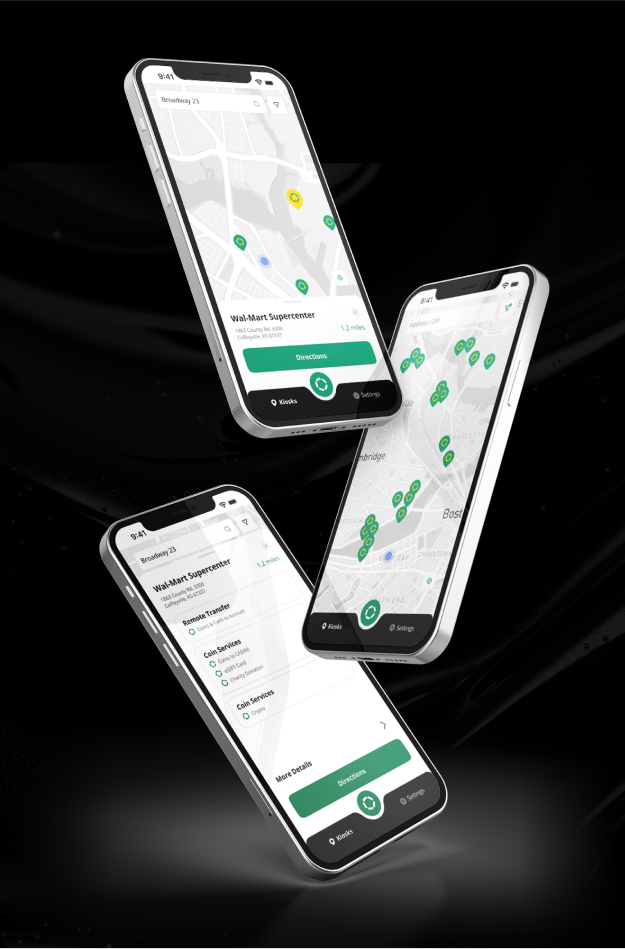
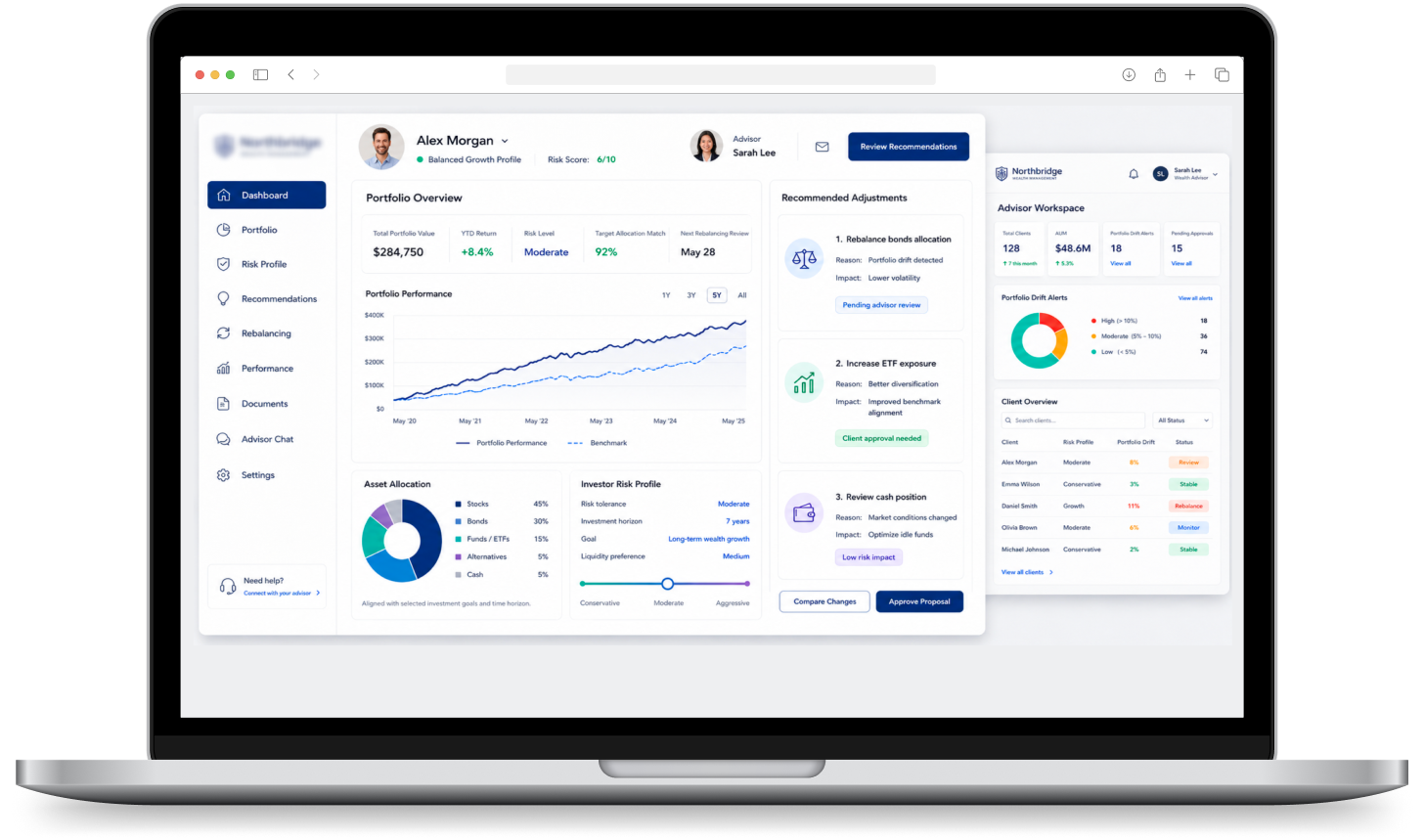
Itexus develops blockchain-enabled financial software, including smart contracts and the applications that interact with them. Its services cover decentralized applications, DeFi platforms, tokenized products, cryptocurrency solutions, and contract development for functions such as staking, lending, vesting, and governance. The company combines blockchain work with established fintech engineering, which matters when an on-chain transaction must be reflected correctly in a user account, payment process, or reporting system.
A relevant project involved smart-contract development for a cryptocurrency investment platform. Itexus implemented Ethereum-based crowdsale contracts and integrated cryptocurrency investment workflows, linking the blockchain component with the wider platform. This practical fintech context makes Itexus a compelling choice for businesses developing transaction-oriented smart contract applications that also need dependable web interfaces, backend services, and operational controls.
Key Facts
- Best for: Fintech platforms and blockchain-based financial products
- Core services: Smart contract application development, decentralized applications, fintech software, blockchain integration
- Specialization: Investment workflows, tokenized products, DeFi applications
- Notable projects: Ethereum contracts for a cryptocurrency investment platform
- Headquarters: Dover, DE, USA
- Founded: 2013
- Team size: 150+ engineers
Contact Information
- Website: itexus.com
- Email: moc.suxeti@ofni
- Address: 8, The Green, STE road, Dover, DE 19901, United States
- LinkedIn: www.linkedin.com/company/itexus
- Facebook: www.facebook.com/itexus
- Twitter: x.com/ItexusSoft
- Instagram: www.instagram.com/itexus.soft
2. Blockchain App Factory
Blockchain App Factory builds smart contracts as part of its blockchain development practice, covering architecture design, custom contract logic, auditing and optimization. Its work spans wallet, NFT, dApp and DeFi or DEX contracts, along with AI-connected contracts that use oracles and external data. Supported networks include Ethereum, Hyperledger Fabric and Sawtooth, Solana, Polkadot, Tron and EOS.
The company lists contract types such as ERC-20 tokens and stablecoin issuance, ERC-721 registries, security token offerings with issuance, redemption and escrow, and Hyperledger contracts for invoices, payments and automated claim settlement. Clients can choose fixed-price, time-and-material or dedicated-team engagement. It suits businesses that need tokenization or enterprise contract logic across several chains.
Key Facts
- Best for: Token, DeFi and enterprise contract projects
- Core services: Contract architecture, custom development, audits, optimization, dApp contracts
- Specialization: Multi-chain contracts on Ethereum, Hyperledger, Solana and Polkadot
- Headquarters: Chennai, India
- Team size: 201–500 employees
Contact Information
- Website: blockchainappfactory.com
- Address: Prestige Palladium Bayan, Greams Road, Chennai, Tamil Nadu 600006, India
- LinkedIn: www.linkedin.com/
company/ blockchainappfactory
3. Cyfrin
Cyfrin focuses on the security side of smart contract applications. Its services include smart contract audits, formal verification for critical code paths, penetration testing, risk and security advisory for protocol teams, and incident response when issues reach production. The company also maintains developer tooling, including Solodit, a database of blockchain exploits and mitigations, and the Aderyn and Moccasin projects.
It suits teams that already have contract code and need independent review and verification before launch.
Key Facts
- Best for: Protocol teams preparing contracts for launch
- Core services: Audits, formal verification, penetration testing, incident response, advisory
- Specialization: Smart contract security and open security tooling
- Headquarters: Boston, MA, USA
- Founded: 2023
- Team size: 11–50 employees
Contact Information
- Website: cyfrin.io
- LinkedIn: www.linkedin.com/
company/ cyfrin
4. PixelPlex
PixelPlex works across blockchain engineering and smart contract development, combining custom protocol logic with decentralized application interfaces. Its services include contract architecture, implementation, security review, gas optimization, and integration with cryptocurrency wallets and existing business systems. The company covers applications involving DeFi transactions, NFTs, and digital identity, with experience across Ethereum-compatible networks and other blockchain environments.
One useful distinction is the range of blockchain use cases in its project portfolio, including staking infrastructure and NFT-related products. These applications require coordination between smart contracts, transaction handling, data services, and the end-user experience. PixelPlex suits teams seeking a development partner for the complete Web3 product rather than isolated contract code, especially when multiple on-chain and off-chain components have to work together.
Key Facts
- Best for: DeFi, NFT, and multi-component Web3 applications
- Core services: Smart contract development, auditing, integration, gas optimization
- Specialization: Ethereum-compatible ecosystems and blockchain applications
- Relevant projects: Staking and NFT-related solutions
- Headquarters: New York, NY, USA
- Founded: 2007
- Team size: 51–200 employees
Contact Information
- Website: pixelplex.io
- Phone: +1 646 490 0772
- Email: oi.xelplexip@ofni
- Address: 120 West 28th Street, Suite 31, New York, NY 10001, USA
- LinkedIn: www.linkedin.com/
company/ pixelplex-inc - Facebook: www.facebook.com/
pixelplex.inc - Twitter: x.com/
pixelplexinc
5. OSKI Solutions
OSKI Solutions develops custom software for businesses that need tailored web and application infrastructure. Its work includes web platforms, backend services, API development, cloud technologies, quality assurance, and system integration. Those capabilities are useful in smart contract application development because business users generally interact with contracts through familiar dashboards, portals, and connected services rather than directly through blockchain transactions.
The company brings a broader application engineering perspective to blockchain-related projects. Product teams can use its full-stack development skills to connect existing business processes with new digital workflows, create administrative interfaces, and structure the services that support transaction-driven applications. OSKI Solutions is particularly relevant where a smart-contract-enabled product must coexist with traditional company systems, customer accounts, and operational tools.
Key Facts
- Best for: Business application layers and system integrations
- Core services: Custom software, web application development, APIs, cloud engineering
- Specialization: Full-stack platforms, backend services, quality assurance
- Project focus: Business workflows and connected digital products
- Headquarters: Tallinn, Estonia
- Team size: 51–200 employees
Contact Information
- Website: oski.site
- Email: etis.ikso@tcatnoc
- Address: Kaupmehe tn 7-120, Tallinn, 10114, Estonia
- LinkedIn: www.linkedin.com/
company/ oski-solutions

6. LimeChain
LimeChain focuses on blockchain infrastructure and smart contract engineering for products that rely on verifiable on-chain execution. Its services include contract design, implementation, optimization, testing, and protocol integration. The team works with several blockchain environments, including EVM-based systems, Solana, and Canton, allowing a project to match its contract architecture to the intended network and business requirements.
Security and correctness are central to its development approach. LimeChain discusses fuzz testing, property-based testing, permission structures, contract upgrades, and gas efficiency as part of the engineering process. That depth is valuable for decentralized applications with financial rules, asset transfer logic, or complicated administrative permissions. LimeChain is a strong fit for organizations that need substantial protocol and smart contract expertise alongside the wider application implementation.
Key Facts
- Best for: Security-sensitive blockchain products and protocol integrations
- Core services: Contract development, testing, optimization, blockchain integration
- Specialization: Testing, access controls, upgradeability
- Technologies: EVM networks, Solana, Canton
- Headquarters: Sofia, Bulgaria
- Founded: 2017
- Team size: 51–200 employees
Contact Information
- Website: limechain.tech
- Email: hcet.niahcemil@ih
- LinkedIn: www.linkedin.com/
company/ limechain - Twitter: x.com/
LimeChainHQ
7. A-listware
A-listware builds and supports dedicated software engineering teams for companies developing custom digital products. Its development capabilities span web applications, backend systems, cloud services, quality assurance, and technical support. For smart-contract-based products, this experience is relevant to the surrounding application infrastructure: user-facing software, data processing, APIs, administration tools, and integrations with established enterprise systems.
A-listware's engagement model is especially useful when a business needs to extend its existing engineering organization with additional specialists. Its developers can contribute to platform architecture, frontend and backend delivery, testing processes, and long-term maintenance across a larger digital product. This gives teams a way to build the software components that make blockchain-enabled workflows usable in everyday business operations while retaining flexibility in staffing and delivery.
Key Facts
- Best for: Dedicated engineering capacity for complex applications
- Core services: Software development, dedicated teams, QA, cloud services
- Specialization: Web platforms, backend engineering, integration
- Engagement model: Team extension and managed development
- Headquarters: London, UK
Contact Information
- Website: a-listware.com
- Phone: +1 (888) 337 93 73
- Email: moc.erawtsil-a@ofni
- Address: North Bergen, NJ 07047, USA
- LinkedIn: www.linkedin.com/
company/ a-listware - Facebook: www.facebook.com/
alistware
8. Antier
Antier develops blockchain infrastructure and applications for decentralized finance, tokenization, and digital asset businesses. Smart contract engineering is a core element of its wider service offering, with work involving token functionality, decentralized transactions, Web3 platforms, and enterprise blockchain adoption. Its teams address the technical design of contracts alongside the exchanges, wallets, and interfaces where users interact with those contracts.
The company's broader delivery capabilities make it relevant to businesses moving from a blockchain proof of concept to an operational digital asset product. A contract may need identity checks, wallet connections, transfer restrictions, or links to external services, and those elements affect how the application must be designed. Antier is an option for projects involving regulated-market considerations, asset tokenization, and products with multiple interconnected blockchain modules.
Key Facts
- Best for: Tokenization, digital asset platforms, and DeFi
- Core services: Smart contracts, blockchain applications, wallets, exchanges
- Specialization: Blockchain infrastructure and integrated Web3 products
- Relevant considerations: On-chain transactions and platform-level integrations
- Headquarters: Mohali, India
- Team size: 501–1,000 employees
Contact Information
- Website: www.antier.com
- Email: moc.reitna@ofni
- Phone: +91 9878362625
- Address: C-208, Phase 8B Industrial Area, Mohali, Punjab INDIA, 160059
- LinkedIn: www.linkedin.com/
company/ antierofficial - Instagram: www.instagram.com/
antier_official - Facebook: www.facebook.com/
antierofficial - Twitter: x.com/
antier_official

9. Unicsoft
Unicsoft offers specialized smart contract development covering architecture, coding, auditing, optimization, ongoing management, and integration. Its blockchain work includes Ethereum, Solidity, and enterprise blockchain frameworks. The company applies these capabilities to DeFi applications, tokenization products, digital wallets, and other decentralized systems that require business rules to be executed and verified on-chain.
A particularly relevant portfolio project involved creating a user-friendly platform for smart contract minting. The product allowed creators to deploy contracts and mint tokens through an interface designed to reduce the technical work required of end users. This project illustrates the need to coordinate contract templates, deployment logic, transaction visibility, and frontend usability. Unicsoft is worth considering for businesses that want both smart contract implementation and a complete application experience around it.
Key Facts
- Best for: Contract-driven DeFi and tokenization products
- Core services: Smart contract design, development, audit, integration
- Technologies: Ethereum, Solidity, enterprise blockchain frameworks
- Notable projects: Smart contract minting platform
- Headquarters: Lexington, KY, USA
- Founded: 2005
- Team size: 51–200 employees
Contact Information
- Website: unicsoft.com
- Email: moc.tfoscinu@z.xela
- Address: 110 W Vine St, Lexington, KY, 40507, USA
- LinkedIn: www.linkedin.com/
company/ unicsoft - Facebook: www.facebook.com/
unicsoft - Twitter: x.com/
unicsoft
10. 4IRE Labs
4IRE develops smart contracts and decentralized products for financial technology and digital asset businesses. The company works on DeFi platforms, tokenized assets, wallets, decentralized exchanges, and blockchain-enabled financial services. Its smart contract process covers requirements analysis, architecture, implementation, auditing, optimization, and support after launch, connecting contract engineering to product development.
The portfolio provides a concrete illustration of this experience. 4IRE describes delivering frontend components and core contracts for an early DeFi vault product at Ondo Finance, a use case involving financial logic and investor-facing functionality. Such projects call for careful handling of contract behavior, permissions, integrations, and transaction visibility. 4IRE is relevant to fintech teams building applications where on-chain rules form part of a larger financial product rather than operating in isolation.
Key Facts
- Best for: DeFi, tokenized assets, and digital finance applications
- Core services: Smart contracts, blockchain development, product integration
- Specialization: Contract architecture, testing, deployment support
- Notable projects: Ondo Finance DeFi vault frontend and contracts
- Founded: 2010
- Team size: 11–50 employees
Contact Information
- Website: 4irelabs.com
- Phone: +351 966 223 759
- Email: moc.sbaleri4@ph
- Address: Hovslagargatan 5, 111 48, Stockholm
- LinkedIn: www.linkedin.com/
company/ 4ire - Twitter: x.com/
4irelabs - Instagram: www.instagram.com/
4irelabs
11. SoluLab
SoluLab provides smart contract development and decentralized application engineering for blockchain-based products. Its services span contract design, implementation, testing, audit-oriented review, deployment, and dApp development. The company works on use cases such as token issuance, decentralized finance, NFT systems, and DAO-related functionality, with support for multiple blockchain networks.
An application built on smart contracts needs consistent coordination between wallet interactions, interfaces, transaction validation, and the contract's business logic. SoluLab addresses those requirements as part of wider blockchain product development, combining customer-facing software with decentralized functionality. Its approach is relevant to startups designing new token-based services as well as businesses incorporating blockchain transactions into broader platforms. For these projects, the practical challenge is turning programmable rules into an application that users can operate confidently.
Key Facts
- Best for: Consumer-facing dApps and token-based products
- Core services: Smart contract development, dApps, blockchain applications
- Specialization: Contract implementation and user-facing software
- Use cases: DeFi, NFT platforms, tokens, DAO features
- Headquarters: Los Angeles, CA, USA
- Founded: 2015
- Team size: 51–200 employees
Contact Information
- Website: www.solulab.com
- Phone: +919427026888
- Email: moc.balulos@selas
- Address: 812-816, Time Square 1 Thaltej, Ahmedabad Gujarat 380059
- LinkedIn: www.linkedin.com/
company/ solulab - Facebook: www.facebook.com/
solulab.inc - Twitter: x.com/
solulab - Instagram: www.instagram.com/
solulabofficial

12. LeewayHertz
LeewayHertz develops custom enterprise applications that combine blockchain technology with conventional software systems. Its blockchain engineering work includes smart contracts, distributed applications, token-related platforms, and integrations involving networks such as Ethereum, Hyperledger, and Solana. The company also builds enterprise software outside blockchain, giving it a broader perspective on application design, data flows, and business processes.
This combination matters in projects where programmable transactions are only one part of a larger digital workflow. Financial organizations and businesses experimenting with asset-based platforms often need internal approvals, identity management, reporting, and integrations alongside on-chain execution. LeewayHertz is relevant to those use cases because it approaches blockchain development in the context of full software product delivery, from concept and architecture through implementation and operational integration.
Key Facts
- Best for: Enterprise blockchain applications and business integration
- Core services: Blockchain development, smart contracts, enterprise software
- Specialization: Integrated applications and business workflows
- Technologies: Ethereum, Hyperledger, Solana
- Headquarters: Gurugram, India
- Founded: 2007
Contact Information
- Website: www.leewayhertz.com
- Email: moc.ztrehyaweel@selas
- Address: 5th Floor, Tower C, Unitech Cyber Park, Sector 39, Gurugram, Haryana 122001
- LinkedIn: www.linkedin.com/
company/ leewayhertz-technologies - Facebook: www.facebook.com/
LeewayHertz - Twitter: x.com/
LeewayHertz
13. OpenZeppelin
OpenZeppelin focuses on smart contract security, developer tooling, and battle-tested contract components used across blockchain applications. Its Solidity contracts library provides reusable implementations for familiar token standards and access control patterns. The organization also offers security reviews, contract auditing, and tools that support deployment and upgrades, making its technology relevant across the smart contract development lifecycle.
For businesses building applications that manage tokens, permissions, or financial assets, contract correctness is a central concern. OpenZeppelin's components and security services help development teams apply established patterns instead of creating every mechanism from scratch. It is especially relevant when selecting a security partner, assessing upgrade and governance models, or building on established Solidity standards. The emphasis is on secure contract foundations and engineering assurance for blockchain products.
Key Facts
- Best for: Smart contract security and reusable implementation patterns
- Core services: Security audits, contract libraries, developer tools
- Specialization: Access controls and contract assurance
- Technologies: Solidity, token standards, upgrade tooling
- Founded: 2015
- Team size: 51–200 employees
Contact Information
- Website: www.openzeppelin.com
- LinkedIn: www.linkedin.com/
company/ openzeppelin - Twitter: x.com/
OpenZeppelin
14. Tata Consultancy Services (TCS)
Tata Consultancy Services provides enterprise technology services and blockchain solutions through its Quartz portfolio. Quartz DevKit is designed to help developers create and deploy blockchain applications, including smart contracts, using supported distributed ledger frameworks. Its tooling addresses enterprise use cases where blockchain systems must connect with existing processes, data environments, and application infrastructure.
The platform's approach is especially relevant to large organizations exploring controlled blockchain application delivery. Support for technologies such as Hyperledger Fabric, Corda, Ethereum, Quorum, and Tezos gives teams options when selecting a network architecture. TCS also brings broader enterprise engineering and integration capabilities to large-scale transformation work. For businesses working with multi-system transaction workflows, Quartz offers a development environment for implementing blockchain logic as part of a wider enterprise software program.
Key Facts
- Best for: Enterprise blockchain programs and workflow modernization
- Core services: Blockchain applications, smart contract tooling, integration
- Products: Quartz DevKit
- Technologies: Hyperledger Fabric, Corda, Ethereum, Quorum, Tezos
- Headquarters: Mumbai, India
- Founded: 1968
- Team size: 10,001+ employees
Contact Information
- Website: www.tcs.com
- Email: moc.sct@gnitekram.an
- Phone: 678-388-3458
- Address: No. 400, Galleria Parkway, Suite 1060, Atlanta, GA 30339, USA
- LinkedIn: www.linkedin.com/
company/ tata-consultancy-services - Instagram: www.instagram.com/
tcsglobal - Facebook: www.facebook.com/
TataConsultancyServices - Twitter: x.com/
TCS
Comparison Table
| Company | Best for | Headquarters | Founded | Team size |
| Itexus | Fintech platforms and blockchain-based financial products | Dover, DE, USA | 2013 | 150+ engineers |
| Blockchain App Factory | Token, DeFi and enterprise contract projects | Chennai, India | — | 201–500 employees |
| Cyfrin | Protocol teams preparing contracts for launch | Boston, MA, USA | 2023 | 11–50 employees |
| PixelPlex | DeFi, NFT, and multi-component Web3 applications | New York, NY, USA | 2007 | 51–200 employees |
| OSKI Solutions | Business application layers and system integrations | Tallinn, Estonia | — | 51–200 employees |
| LimeChain | Security-sensitive blockchain products and protocol integrations | Sofia, Bulgaria | 2017 | 51–200 employees |
| A-listware | Dedicated engineering capacity for complex applications | London, UK | — | — |
| Antier | Tokenization, digital asset platforms, and DeFi | Mohali, India | — | 501–1,000 employees |
| Unicsoft | Contract-driven DeFi and tokenization products | Lexington, KY, USA | 2005 | 51–200 employees |
| 4IRE Labs | DeFi, tokenized assets, and digital finance applications | — | 2010 | 11–50 employees |
| SoluLab | Consumer-facing dApps and token-based products | Los Angeles, CA, USA | 2015 | 51–200 employees |
| LeewayHertz | Enterprise blockchain applications and business integration | Gurugram, India | 2007 | — |
| OpenZeppelin | Smart contract security and reusable implementation patterns | — | 2015 | 51–200 employees |
| Tata Consultancy Services (TCS) | Enterprise blockchain programs and workflow modernization | Mumbai, India | 1968 | 10,001+ employees |
How to Choose a Smart Contract Application Development Company
A smart contract application is only as reliable as its weakest part: the contracts, the wallet flow, the back end that indexes events or the integrations with off-chain systems. Choose a partner that can show competence across all of them and that treats contract security and upgrade decisions as design work, not a final step.
Contract security practices. Ask how the team writes and tests contracts: use of audited libraries such as OpenZeppelin, unit and fuzz test coverage, static analysis tools and internal review before external audit. Request a sample test suite and an audit report from a past project, including how findings were resolved. A team that cannot show tests beyond happy paths is a risk for any contract holding value.
Upgradeability and admin controls. Ask whether they recommend immutable or upgradeable contracts for your case and why. If upgradeable, check which proxy pattern they use, who controls upgrades, and whether multisig wallets and timelocks protect privileged functions. A clear plan for pausing, emergency response and handing admin rights to your organization should be part of the proposal, not an afterthought.
Network and architecture choices. A good partner explains the trade-offs between Ethereum mainnet, layer-2 networks, other EVM chains or non-EVM platforms in terms of fees, finality, tooling and where your users already are. Ask what stays on-chain and what is kept off-chain for cost or privacy. Be wary of a team that recommends the same chain for every project regardless of requirements.
Wallet and transaction UX. Ask to see live applications they built and try the transaction flow yourself. Look at how they handle wallet connection, network switching, gas estimation, pending and failed transactions, and clear signing prompts. For mainstream users, ask about account abstraction, embedded wallets or gas sponsorship. Poor transaction feedback is one of the main reasons users abandon on-chain products.
Off-chain integration skills. Most applications need an indexer, a back end, oracles or connections to payment, identity and enterprise systems. Ask how they index contract events, handle chain reorganizations and keep off-chain databases consistent with on-chain state. Experience with services such as The Graph, Chainlink or custom indexers is a practical sign the team can build beyond the contract layer.
Deployment and monitoring. Ask how contracts are deployed and verified, how keys used for deployment are protected, and what monitoring runs after launch. Useful answers mention alerts on unusual transactions, admin actions and contract balances, plus an incident response plan. Clarify who maintains the application after launch and how changes are tested on testnets or forks before release.
Conclusion
Smart contract application development increasingly sits at the intersection of blockchain engineering, product design, and conventional enterprise software. A well-written contract still needs carefully managed permissions, reliable external integrations, and interfaces that make transaction states understandable to users. Security reviews, testing on realistic network conditions, and a considered upgrade strategy should shape development decisions from the beginning. Businesses also need to distinguish between specialists who build on-chain logic and engineering teams who deliver the supporting application infrastructure. The most sustainable implementations make these layers work together, with operational requirements and long-term maintenance considered before deployment.
Frequently Asked Questions
How much does smart contract application development cost?
Cost depends mainly on contract complexity, the amount of value the contracts will hold, and the application around them. A simple token or NFT contract with a basic interface sits at the lower end, while DeFi protocols, tokenization platforms and enterprise applications with integrations, indexers and admin portals cost substantially more. Independent security audits are a separate line item and should be budgeted from the start.
How long does it take to build a smart contract application?
A focused application with a few contracts and a web interface can often reach testnet within weeks and mainnet within a few months. Projects with complex financial logic, multiple integrations or regulatory requirements take longer. Allow time for an external audit, fixing its findings and a testnet period with real users, since rushing these steps is a common source of costly incidents.
Do we need an external audit if our developers test the contracts?
For any contract that holds user funds or controls valuable assets, yes. Internal tests confirm the code does what developers intended, while an independent audit looks for what they did not anticipate, such as reentrancy, access control mistakes or economic attacks. An audit is not a guarantee, so combine it with good tests, limited admin rights, monitoring and, where relevant, a bug bounty.
Can smart contracts be changed after deployment?
Deployed contract code cannot be edited, but contracts can be designed to be upgradeable through proxy patterns, or replaced by migrating to a new version. Upgradeability adds flexibility and risk, since whoever controls upgrades can change the rules. Common safeguards include multisig control, timelocks that give users notice before changes, and limiting which parts of the system can be upgraded.
What should we prepare before hiring a smart contract development company?
Prepare a description of the business rules the contracts must enforce, who the users are, which assets the system will handle and any regulatory constraints. Note preferred networks, wallets and existing systems to integrate. If you have a token model or protocol design, include it. A clear specification makes estimates comparable and gives auditors something concrete to check the code against.