Smart contract security has become a core concern for teams building financial protocols, token platforms, and blockchain-enabled applications. A vulnerable permission model or unexpected contract interaction can put assets and user trust at risk even when an application passes routine functional tests. Development teams increasingly combine secure coding practices, independent code audits, automated analysis, and careful post-deployment operations. The right service partner depends on whether the project needs specialized on-chain security research, end-to-end product development, or both.
1. Itexus
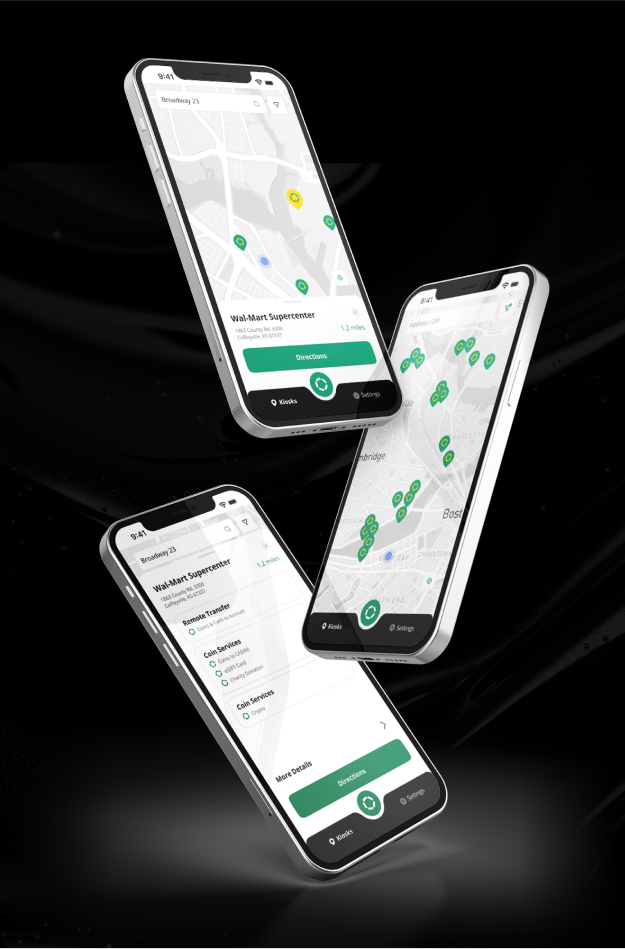
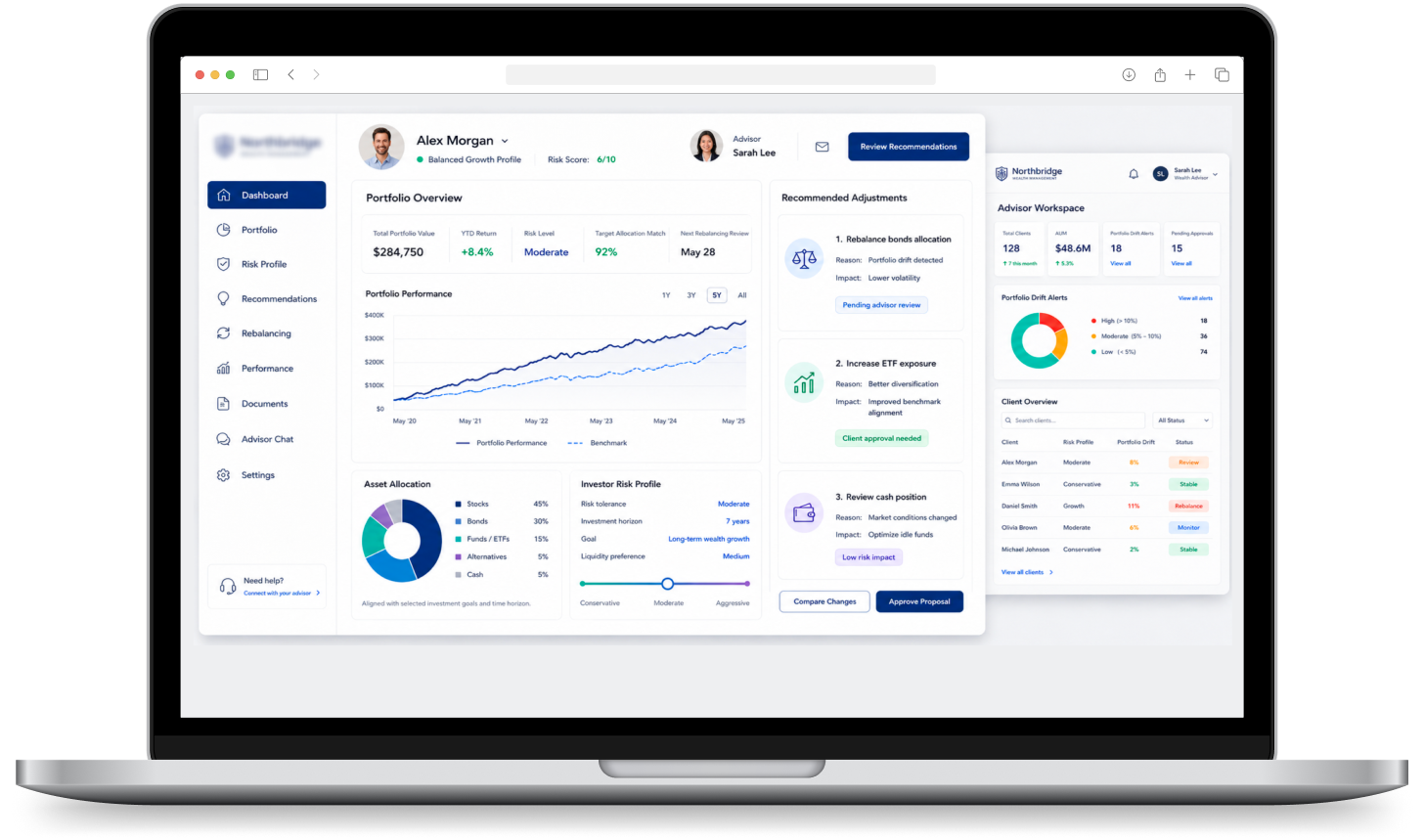
Itexus develops custom financial technology and blockchain software for businesses building regulated financial products, digital asset platforms, and transaction-heavy applications. Its blockchain services cover smart contract development and audit, along with decentralized applications, token-related functions, and integrations with existing financial systems. That combination connects the on-chain code with the software people use to manage accounts, payments, and operations.
For a project that needs both contract logic and a complete product around it, Itexus brings application engineering and security review into the development workflow. Its fintech background is relevant where blockchain components have to coexist with identity checks, administrative controls, and conventional backend services.
Key Facts
- Best for: Fintech businesses developing blockchain-enabled products
- Core services: Smart contract development and audit, custom fintech software, blockchain integration
- Specialization: Financial applications and transaction-focused platforms
- Notable strength: Combining on-chain functionality with broader financial software development
- Headquarters: Dover, DE, USA
- Founded: 2013
- Team size: 150+ engineers
Contact Information
- Website: itexus.com
- Email: moc.suxeti@ofni
- Address: 8, The Green, STE road, Dover, DE 19901
- Facebook: www.facebook.com/itexus
- Instagram: www.instagram.com/itexus.soft
- LinkedIn: www.linkedin.com/company/itexus-fintech-software
- Twitter: x.com/ItexusSoft
Itexus is a trusted partner












Itexus delivered the app according to the requirements. The team met all development milestones and deliverables. They were efficient, friendly, and cooperative. Itexus team was very timely with updates, a regular meeting cadence, and ad-hoc questions and answers via Slack. The team was very responsive and still is.
Stive Jackson
RMD, Investing Fund
Itexus’ work positions the business well for an imminent launch. They excel at managing their team, presenting frequent product demos to ensure that the project is aligned with development goals. An affordable price structure coupled with remarkable technical skill makes them an attractive partner.
Phill Osolinski
CEO Ryze Rewards
The assigned team was easy to work with and they are especially strong collaborators and communicators. They demonstrated flexibility, professionalism, and trust in everything they did, and completed the work on time and budget.
Sue Wollan Fan
CEO Mango Connects
Itexus excelled at both experimental AI and sprint-oriented UI/UX tasks. Itexus did strong project management work, too, a necessity in such a complicated project.
Jesse Dubin
Senior PM Standard&Poors
They’re a great group of developers who really understand the reality of business.
Andreea Vanacker
CEO SPARKX5
2. Sigma Prime
Sigma Prime is a blockchain security firm, founded in 2016, that audits smart contracts, protocols and infrastructure. Its reviews cover code in Solidity, Vyper, Rust and Move, and extend to consensus clients, rollups and L2 systems. Alongside one-off audits it offers rolling commit reviews, embedded security engineers, frontend reviews and security training.
The firm also builds production blockchain software: it develops Lighthouse, an open-source Rust Ethereum consensus client, and Anchor, a Rust implementation of the SSV distributed-validator protocol. Published case studies include reviews of the Reth execution client and the Mantle L2 rollup. It suits teams that need auditors who also write and operate core protocol code.
Key Facts
- Best for: Protocol, client and rollup security reviews
- Core services: Smart contract audits, protocol audits, commit reviews, security training
- Specialization: Ethereum infrastructure, Rust and Solidity codebases
- Headquarters: Sydney, Australia
- Founded: 2016
- Team size: 11–50 employees
Contact Information
- Website: sigmaprime.io
- Email: oi.emirpamgis@tcatnoc
- LinkedIn: www.linkedin.com/
company/ sigmaprime

3. OtterSec
OtterSec is a security firm that audits blockchain code across the stack: Layer 1 foundations, wallets, DeFi protocols, bridges and supporting infrastructure. Its work is especially rooted in the Solana ecosystem, including programs written with Anchor and the Solana SBF toolchain, and it also works with Sui through a partnership with the Sui Foundation.
The company publishes testimonials from the Solana Foundation, Sui Foundation, Algorand, Squads, Backpack and MetaMask. That client base makes it a practical choice for teams building on Solana, Sui or other non-EVM chains, where auditors familiar with the runtime and its specific failure modes matter as much as general smart contract experience.
Key Facts
- Best for: Solana and Sui projects needing specialist audits
- Core services: Smart contract audits, wallet reviews, bridge and infrastructure audits
- Specialization: Non-EVM chains, DeFi protocols and Layer 1 security
- Founded: 2022
- Team size: 11–50 employees
Contact Information
- Website: osec.io
- Email: oi.ceso@tcatnoc

4. Cantina
Cantina is a security company whose onchain practice covers smart contract and protocol security. It combines the Spearbit network of independent security researchers with AI-assisted review, offering hybrid audits, expert triage of findings and live bug bounties. Spearbit itself now operates under the Cantina platform.
Beyond audits, Cantina runs researcher-powered bounty programs that deduplicate incoming reports and validate their impact, which helps teams keep testing contracts after launch. It suits protocols that want a pre-deployment review followed by ongoing bounty coverage from the same provider, rather than a single point-in-time audit.
Key Facts
- Best for: Audits followed by ongoing bug bounty coverage
- Core services: Hybrid smart contract audits, bug bounties, finding triage
- Specialization: Onchain protocol security via the Spearbit researcher network
- Headquarters: Miami, FL, USA
- Founded: 2023
- Team size: 51–200 employees
Contact Information
- Website: cantina.security
- Email: ytiruces.anitnac@olleh
- LinkedIn: www.linkedin.com/
company/ cantinasecurity
5. OpenZeppelin
OpenZeppelin works on smart contract security through professional audits, established contract libraries, and security tooling used across Ethereum-based development. Its auditors examine protocol designs and implementation details, looking for weaknesses in permissions, asset handling, upgradeability, and interactions with external contracts. The company also maintains open-source components that developers use to implement common token and access-control patterns.
The connection between reusable code and security assessment is especially useful for teams building protocols with complex privileges or upgrade paths. An audit can evaluate how standard components have been configured and combined, rather than assuming familiar libraries make the entire application safe.
Key Facts
- Best for: EVM projects requiring experienced security review
- Core services: Smart contract security audits, security tooling, contract libraries
- Specialization: Ethereum and smart contract architecture
- Notable strength: Open-source contract components used alongside audit expertise
- Founded: 2015
- Team size: 51–200 employees
Contact Information
- Website: www.openzeppelin.com
- LinkedIn: www.linkedin.com/
company/ openzeppelin - Twitter: x.com/
OpenZeppelin

6. A-listware
A-listware provides software development teams and engineering services, including blockchain development, distributed applications, and related software quality work. Its capabilities extend to smart contracts, decentralized applications, DAOs, and integrations that connect blockchain components with customer-facing platforms. The company's wider delivery model also includes testing and software engineering support.
Organizations developing a blockchain product often need frontend applications, backend services, and a repeatable testing process in addition to on-chain code. A-listware's blend of development staffing and QA is relevant to that broader workload, helping teams build and maintain the applications surrounding smart contracts while coordinating specialist security reviews.
Key Facts
- Best for: Teams extending blockchain product engineering capacity
- Core services: Blockchain development, smart contract engineering, software testing, staff augmentation
- Specialization: Distributed applications and custom software teams
- Notable strength: Flexible engineering capacity across development and QA
- Headquarters: London, UK
Contact Information
- Website: a-listware.com
- Email: moc.erawtsil-a@ofni
- Phone: +44 (0)142 439 01 40
- Address: St. Leonards-On-Sea, TN37 7TA, UK
- Facebook: www.facebook.com/
alistware - LinkedIn: www.linkedin.com/
company/ a-listware
7. Hacken
Hacken focuses on security and compliance for blockchain projects and digital asset operators. Its services include smart contract audits, blockchain infrastructure reviews, penetration testing, secure code review, and cryptography assessments. It also works on tokenomics and proof-of-reserves verification, giving clients a route to examine technical and operational risks beyond a single Solidity contract.
Hacken supports assessments across ecosystems that use Solidity, Rust, and Move. Its broader compliance and monitoring services make it particularly relevant when a protocol needs a code audit before launch and continued attention to threats, infrastructure, and security controls afterward.
Key Facts
- Best for: Digital asset projects needing contract and infrastructure security
- Core services: Smart contract audits, penetration testing, secure code review, compliance
- Specialization: Blockchain security across Solidity, Rust, and Move
- Notable strength: Audit services linked with operational security monitoring
- Headquarters: Tallinn, Estonia
- Founded: 2017
- Team size: 51–200 employees
Contact Information
- Website: hacken.io
- LinkedIn: www.linkedin.com/
company/ hacken - Twitter: x.com/
hackenclub
8. Cyfrin
Cyfrin combines professional smart contract auditing with developer education and security research. Its audit work examines protocol logic, vulnerabilities, and implementation assumptions, while tools and initiatives such as Aderyn, Solodit, and CodeHawks support vulnerability discovery and the wider audit community. These resources connect hands-on reviews with a practical approach to secure contract development.
Teams preparing decentralized finance applications, token systems, and other on-chain products can use Cyfrin for a focused external review and for technical resources that improve their internal testing habits. Its educational work is particularly relevant to engineers who want to address common failure modes before sending code to independent auditors.
Key Facts
- Best for: Smart contract teams pairing security review with developer training
- Core services: Smart contract audits, security research, developer education
- Specialization: Web3 code security and vulnerability analysis
- Notable strength: Public security tools and training alongside audits
- Headquarters: Boston, MA, USA
- Founded: 2023
- Team size: 11–50 employees
Contact Information
- Website: www.cyfrin.io
- LinkedIn: www.linkedin.com/
company/ cyfrin - Twitter: x.com/
Cyfrin
9. OSKI Solutions
OSKI provides custom software development for companies modernizing systems or launching digital products. Its published blockchain development coverage includes decentralized applications and blockchain-enabled product engineering, with an emphasis on practical delivery and integrations. The company also handles the web platforms and backend services that commonly sit around distributed-ledger functionality.
Smart contracts rarely operate as isolated pieces of code in a commercial product. They depend on interfaces, services, data flows, and deployment practices that must be maintained alongside the contracts. OSKI's custom development and integration capabilities are relevant to building that supporting infrastructure and organizing testing around the complete product lifecycle.
Key Facts
- Best for: Businesses integrating blockchain functions into custom software
- Core services: Custom software development, application integration, blockchain product engineering
- Specialization: Digital platforms and application modernization
- Notable strength: Building supporting systems around blockchain functionality
- Headquarters: Tallinn, Estonia
- Team size: 51–200 employees
Contact Information
- Website: oski.site
- Email: etis.ikso@tcatnoc
- LinkedIn: www.linkedin.com/
company/ oski-solutions
10. Trail of Bits
Trail of Bits is a security research and consulting firm known for deep technical reviews of smart contracts, cryptographic systems, and complex software. Its teams investigate both implementation bugs and design assumptions, and its public reports demonstrate work on blockchain protocols and related infrastructure. The firm also develops security tools used by auditors and software teams.
Slither, Echidna, and other open-source tools associated with its research make automated analysis and property-based testing accessible during development. For complex financial protocols or novel cryptographic designs, this approach brings together manual review, specialized research, and repeatable tests that can remain valuable after a particular engagement ends.
Key Facts
- Best for: Protocols with complex security or cryptographic requirements
- Core services: Smart contract assessments, security research, software assurance
- Specialization: Vulnerability research, fuzzing, and analysis tools
- Notable strength: Open-source security tooling and published technical reviews
- Headquarters: New York, NY, USA
- Founded: 2012
- Team size: 51–200 employees
Contact Information
- Website: trailofbits.com
- Address: 228 Park Ave S #80688 New York, NY 10003
- LinkedIn: www.linkedin.com/
company/ trail-of-bits - Twitter: x.com/
trailofbits
11. Halborn
Halborn provides offensive security services for blockchain companies, including smart contract assessments and reviews of related protocols and infrastructure. The firm's work covers decentralized finance environments and different blockchain architectures, where vulnerabilities may arise from contract logic, governance permissions, privileged keys, or interactions between components.
Rather than examining a single contract in isolation, Halborn's security offering can address application layers and operational attack surfaces as well. This is valuable for protocols involving cross-chain messaging, custody workflows, or complicated deployments, where code correctness and the security of surrounding infrastructure both influence risk.
Key Facts
- Best for: Web3 products requiring broad offensive security coverage
- Core services: Smart contract assessment, blockchain security, penetration testing
- Specialization: DeFi protocols and blockchain infrastructure
- Notable strength: Reviewing on-chain and supporting systems
- Founded: 2019
- Team size: 51–200 employees
Contact Information
- Website: www.halborn.com
- Email: moc.liamnotorp@nroblah
- LinkedIn: www.linkedin.com/
company/ halborn - Twitter: x.com/
HalbornSecurity

12. Quantstamp
Quantstamp carries out security audits for blockchain protocols, decentralized finance applications, and other Web3 products. Its work spans smart contract assessment and analysis of systems operating across multiple chains. Public audit records cover projects with different technical designs, giving developers an indication of the firm's experience with financial logic and protocol security.
Quantstamp's security approach includes manual review supported by automated analysis and, where appropriate, more formal techniques for reasoning about code behavior. It is a relevant option for teams preparing a release that involves custody, token transfers, lending logic, or other contracts where an unexpected state change could have financial consequences.
Key Facts
- Best for: DeFi and multi-chain products before production deployment
- Core services: Smart contract audits, blockchain security assessments
- Specialization: DeFi protocols and cross-chain ecosystems
- Notable strength: Manual assessments supported by analysis methods
- Headquarters: San Francisco, CA, USA
- Founded: 2017
- Team size: 51–200 employees
Contact Information
- Website: quantstamp.com
- LinkedIn: www.linkedin.com/
company/ quantstamp - Twitter: x.com/
Quantstamp

13. ChainSecurity
ChainSecurity specializes in blockchain and smart contract security audits, with published work across decentralized finance protocols, stablecoins, bridges, and related systems. Its assessments evaluate contract behavior, economic assumptions, and security properties that can be difficult to capture through basic vulnerability scanning alone.
The company publishes reports that discuss scope, identified issues, and remediation, providing a useful reference for developers and stakeholders. ChainSecurity is especially relevant to teams whose protocols involve interconnected contracts and sensitive asset flows, where a review must understand system-level design as well as individual functions.
Key Facts
- Best for: Financial protocols with complex smart contract interactions
- Core services: Smart contract audits, protocol security assessment
- Specialization: DeFi, bridges, and blockchain financial applications
- Notable strength: Public technical audit reports
- Headquarters: Zurich, Switzerland
- Founded: 2017
- Team size: 11–50 employees
Contact Information
- Website: www.chainsecurity.com
- Email: moc.ytirucesniahc@tcatnoc
- Address: Thurgauerstrasse 40 8050 Zürich Switzerland
- LinkedIn: www.linkedin.com/
company/ chainsecurity - Twitter: x.com/
chain_security
14. CertiK
CertiK provides smart contract audits and broader Web3 security services for blockchain teams and digital asset businesses. Its offerings include code security assessment, formal verification techniques, penetration testing, and ongoing monitoring through the Skynet platform. That range covers risks arising in source code as well as issues that emerge after a product is deployed.
Projects seeking a security program beyond a one-time review can combine an initial audit with monitoring and additional testing. CertiK's scope is relevant to token platforms, decentralized applications, and infrastructure providers that need to manage technical vulnerabilities and communicate security findings to stakeholders.
Key Facts
- Best for: Web3 businesses combining audits with ongoing security oversight
- Core services: Smart contract audit, formal verification, penetration testing, monitoring
- Specialization: Blockchain security throughout the product lifecycle
- Notable strength: Audit services and Skynet monitoring
- Headquarters: New York, NY, USA
- Founded: 2017
- Team size: 201–500 employees
Contact Information
- Website: www.certik.com
- LinkedIn: www.linkedin.com/
company/ certik - Twitter: x.com/
CertiK

15. Zellic
Zellic conducts security assessments of smart contracts, blockchain protocols, and emerging cryptographic systems. Its public body of work includes EVM applications, Solana programs, Rust-based code, and projects using other specialized environments. The company places strong emphasis on offensive security research and detailed examination of assumptions that automated scanners can miss.
Zellic also publishes technical reports and research material that reveal how specific issues were investigated. This is relevant for teams using unfamiliar contract patterns, advanced cryptography, or complicated protocol integrations. Its work connects practical exploit thinking with a documented audit process.
Key Facts
- Best for: Technically complex blockchain and cryptographic projects
- Core services: Smart contract audits, blockchain protocol assessment, security research
- Specialization: EVM, Solana, Rust, and emerging technology security
- Notable strength: Public research and detailed technical assessments
- Founded: 2020
- Team size: 11–50 employees
Contact Information
- Website: www.zellic.io
- Email: oi.cillez@olleh
- Twitter: x.com/
zellic_io
Comparison Table
| Company | Best for | Headquarters | Founded | Team size |
| Itexus | Fintech businesses developing blockchain-enabled products | Dover, DE, USA | 2013 | 150+ engineers |
| Sigma Prime | Protocol, client and rollup security reviews | Sydney, Australia | 2016 | 11–50 employees |
| OtterSec | Solana and Sui projects needing specialist audits | — | 2022 | 11–50 employees |
| Cantina | Audits followed by ongoing bug bounty coverage | Miami, FL, USA | 2023 | 51–200 employees |
| OpenZeppelin | EVM projects requiring experienced security review | — | 2015 | 51–200 employees |
| A-listware | Teams extending blockchain product engineering capacity | London, UK | — | — |
| Hacken | Digital asset projects needing contract and infrastructure security | Tallinn, Estonia | 2017 | 51–200 employees |
| Cyfrin | Smart contract teams pairing security review with developer training | Boston, MA, USA | 2023 | 11–50 employees |
| OSKI Solutions | Businesses integrating blockchain functions into custom software | Tallinn, Estonia | — | 51–200 employees |
| Trail of Bits | Protocols with complex security or cryptographic requirements | New York, NY, USA | 2012 | 51–200 employees |
| Halborn | Web3 products requiring broad offensive security coverage | — | 2019 | 51–200 employees |
| Quantstamp | DeFi and multi-chain products before production deployment | San Francisco, CA, USA | 2017 | 51–200 employees |
| ChainSecurity | Financial protocols with complex smart contract interactions | Zurich, Switzerland | 2017 | 11–50 employees |
| CertiK | Web3 businesses combining audits with ongoing security oversight | New York, NY, USA | 2017 | 201–500 employees |
| Zellic | Technically complex blockchain and cryptographic projects | — | 2020 | 11–50 employees |
How to Choose a Smart Contract Audit and Development Partner
Whether you need secure contracts built, an independent review of existing code, or both, the partner's value lies in finding problems before attackers do. Judge candidates on the depth of their review process, the quality of their past reports and how clearly they separate development work from independent assurance.
Published audit reports. Read several public reports from the firm, ideally for protocols similar to yours. Good reports explain each finding, its severity, the affected code and a concrete fix, and record how the client resolved it. Reports that list only automated tool output or generic best-practice notes suggest a shallow review. Also check whether any audited protocols were later exploited and how the firm responded.
Manual review methodology. Ask how the audit is run: how many reviewers, how long they spend per line count, whether they build a threat model, and which tools they use, such as Slither, Echidna, Foundry fuzzing or formal verification. Automated tools catch known patterns, but logic errors and economic attacks need experienced humans reading the code against a specification.
Independence from development. If the same firm writes and audits your contracts, ask how the audit team is separated from the developers and whether a second, independent auditor is recommended. Many investors, exchanges and partners expect an external audit by a firm that did not build the code. Clarify early whether you need development, an audit, or both, since the engagements are priced and scoped differently.
DeFi and economic attack expertise. For lending, trading or tokenized asset protocols, ask about experience with oracle manipulation, flash loan attacks, rounding errors, MEV and governance capture. A partner should be able to discuss how your protocol behaves under extreme market conditions, not only whether each function is coded safely. Request examples of economic issues they found in past engagements.
Remediation and re-review. Ask whether fix verification is included in the price, how many review rounds are allowed and how long reports take after fixes. The final report should reference the exact commit audited, so anyone can check that deployed code matches it. Be cautious of firms that issue a report without verifying fixes or that audit a moving codebase without a code freeze.
Post-deployment security support. Security continues after launch. Ask whether the partner offers on-chain monitoring, incident response, upgrade reviews and help setting up a bug bounty. Check how they would review a contract upgrade or parameter change, and whether they help design multisig and timelock controls for admin functions. A clear incident playbook matters more than an audit badge on your website.
Conclusion
Smart contract assurance is most effective when security work begins before the final code freeze. Clear specifications, threat modeling, meaningful tests, and careful control of privileged roles make external audits more useful and reduce the cost of remediation. Teams should also distinguish an assessment of contract code from reviews of deployment scripts, key management, interfaces, and supporting infrastructure. An audit report documents findings for a specific code version and scope; it does not remove the need to review later changes. As blockchain systems become more interconnected, sound engineering practices and ongoing security monitoring remain important after launch.
Frequently Asked Questions
How much does a smart contract audit cost?
Audit pricing depends mainly on the size and complexity of the code, the type of protocol and the turnaround you need. A small token contract is usually the cheapest engagement, while DeFi protocols with many interacting contracts, novel economic logic or cross-chain components cost considerably more. Rush timelines, top-tier firms, formal verification and multiple review rounds all raise the price.
How long does a smart contract audit take?
A small, well-documented codebase can often be reviewed in about one to two weeks, while larger protocols may need several weeks plus time for fixes and re-review. Many established firms also have waiting lists, so booking ahead is common. Clear documentation, a frozen commit and good test coverage reduce audit time and let reviewers spend more effort on the hardest logic.
Does an audit guarantee our smart contracts are secure?
No. An audit lowers risk by having experienced reviewers examine a specific version of the code within a limited time, but it cannot prove the absence of all bugs. Changes made after the audit are not covered. Combine audits with thorough testing, limited admin privileges, timelocks, monitoring and a bug bounty, and consider a second audit for high-value protocols.
Should the company that develops our contracts also audit them?
Internal security review by the development team is valuable, but it should not replace an independent audit. Developers share assumptions with the code they wrote, and outside reviewers are more likely to question them. Many projects use one firm for development with built-in security reviews and a separate firm for the external audit that investors and partners will read.
What should we prepare before requesting a smart contract audit?
Prepare a frozen commit, a written specification of intended behavior, architecture diagrams, a description of privileged roles and a list of known issues or assumptions. Include your test suite and deployment scripts. Auditors work faster and find deeper issues when they can check the code against stated intent instead of reverse-engineering it, which also tends to reduce the cost.