The companies below build the application and integration layer on top of stablecoin infrastructure from providers such as Circle, Bridge and Fireblocks. Stablecoin infrastructure now reaches far beyond crypto trading. Financial institutions and digital businesses use fiat-backed tokens for international payouts, treasury transfers, embedded financial products, and faster settlement. A stablecoin program may require issuance and redemption services, secure wallets, compliance controls, payment integrations, and well-built customer applications. The right provider depends on which of those layers the business intends to operate and which it prefers to source from partners.

1. Itexus
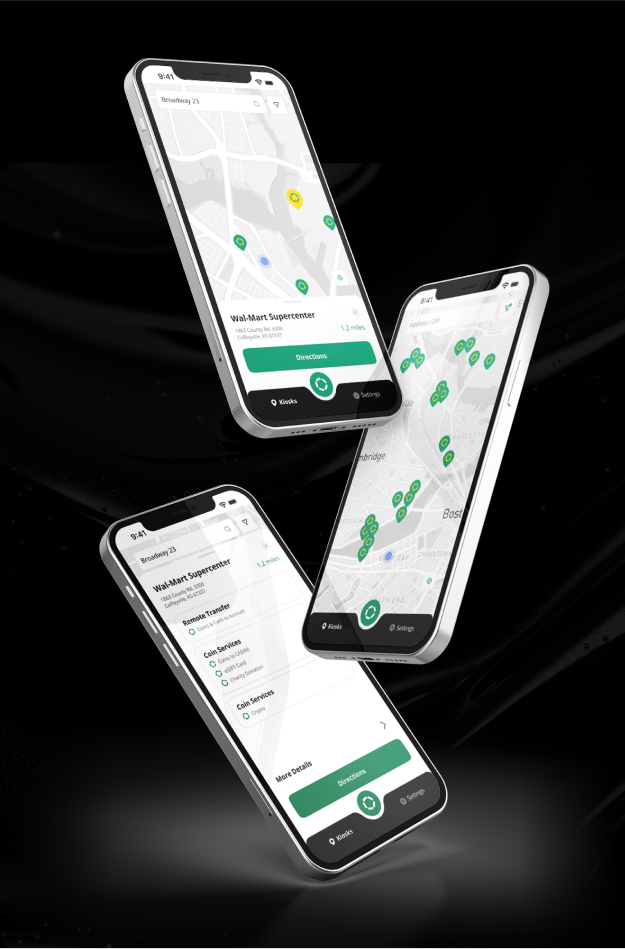
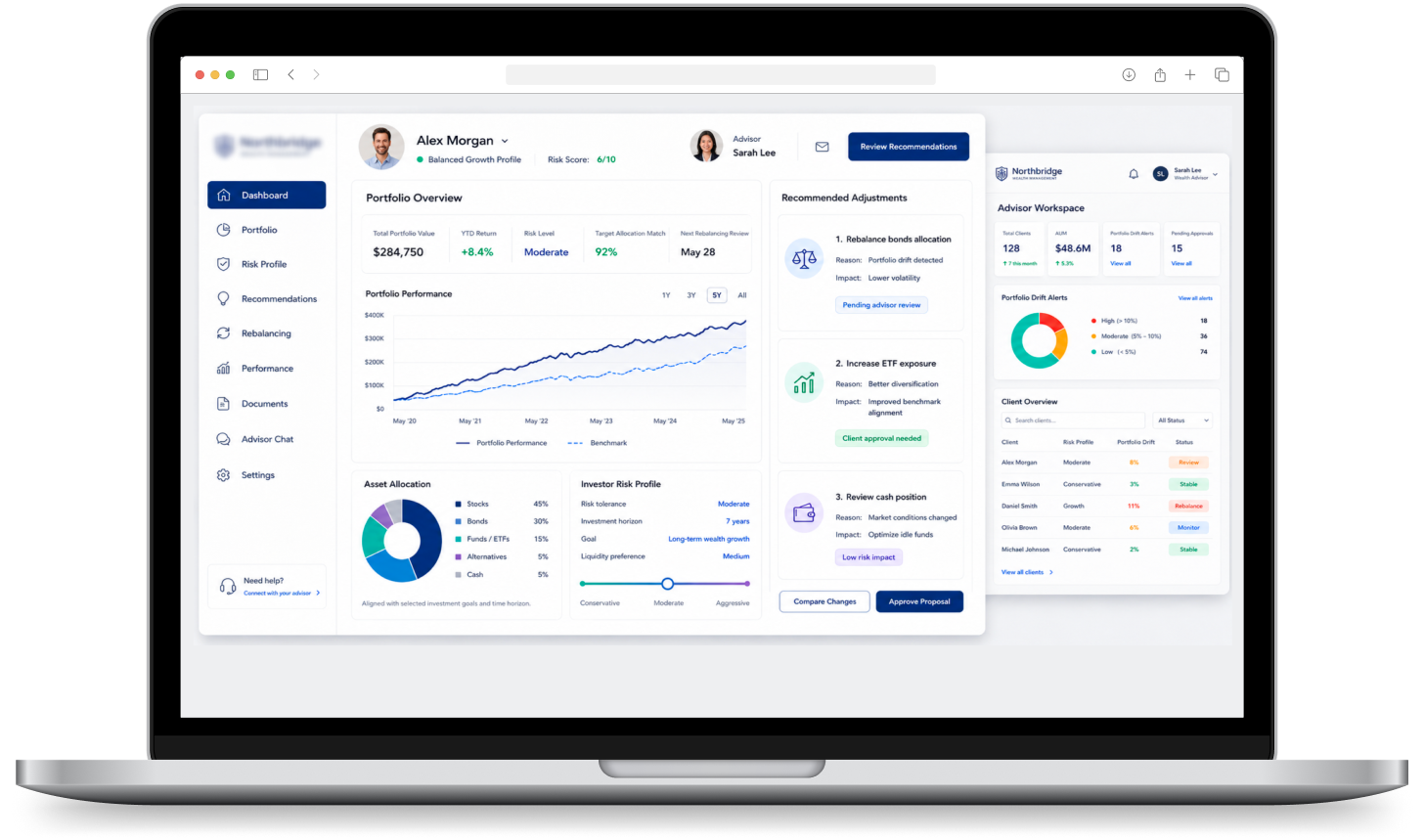
Itexus builds wallets, payout flows, treasury dashboards and integrations on top of stablecoin infrastructure APIs. Itexus develops financial software for banks, fintech companies, and businesses launching digital financial products. Its work covers digital wallets, payment platforms, blockchain applications, banking integrations, and custom back-end services. Stablecoin projects require many of these components, especially when a product needs to connect token transfers with account management and conventional financial infrastructure.
The company combines product design, engineering, testing, and integration work rather than supplying a single ready-made stablecoin. That model is useful for teams designing a wallet, settlement interface, treasury dashboard, or payment application around an existing issuer or blockchain network. Itexus also works on compliance-sensitive financial workflows, where security and dependable transaction handling matter throughout the product lifecycle.
Key Facts
- Best for: Custom stablecoin-related fintech applications
- Core services: Stablecoin infrastructure integration, wallet development, fintech software development
- Specialization: API integration, financial platforms, application modernization
- Engagement model: Custom product engineering and dedicated development
- Headquarters: Dover, DE, USA
- Founded: 2013
- Team size: 150+ engineers
Contact Information
- Website: itexus.com
- Email: moc.suxeti@ofni
- Address: 8, The Green, STE road, Dover, DE 19901
- Facebook: www.facebook.com/itexus
- Instagram: www.instagram.com/itexus.soft
- LinkedIn: www.linkedin.com/company/itexus-fintech-software
- Twitter: x.com/ItexusSoft
Itexus is a trusted partner











Itexus delivered the app according to the requirements. The team met all development milestones and deliverables. They were efficient, friendly, and cooperative. Itexus team was very timely with updates, a regular meeting cadence, and ad-hoc questions and answers via Slack. The team was very responsive and still is.
Stive Jackson
RMD, Investing Fund
Itexus’ work positions the business well for an imminent launch. They excel at managing their team, presenting frequent product demos to ensure that the project is aligned with development goals. An affordable price structure coupled with remarkable technical skill makes them an attractive partner.
Phill Osolinski
CEO Ryze Rewards
The assigned team was easy to work with and they are especially strong collaborators and communicators. They demonstrated flexibility, professionalism, and trust in everything they did, and completed the work on time and budget.
Sue Wollan Fan
CEO Mango Connects
Itexus excelled at both experimental AI and sprint-oriented UI/UX tasks. Itexus did strong project management work, too, a necessity in such a complicated project.
Jesse Dubin
Senior PM Standard&Poors
They’re a great group of developers who really understand the reality of business.
Andreea Vanacker
CEO SPARKX5
2. Zeeve
Zeeve builds and operates the network layer that stablecoin and digital money projects run on. Its services cover managed custom blockchains, appchains, RPC and node infrastructure, validator infrastructure and interoperability through Zeeve IBC, with stablecoins and CBDC-style money listed among its digital asset network use cases.
For issuers and banks, the Cosmos Tokenization Suite supports tokenized deposits, and the company also lists tokenized funds, real-world assets and cross-border settlement rails. Tegaris adds a privacy layer, and Traceye handles indexing and data. An advisory and engineering team sits alongside the platform. It suits institutions that want stablecoin rails on infrastructure someone else operates.
Key Facts
- Best for: Institutions needing operated chains for stablecoin settlement
- Core services: Managed blockchains, appchains, RPC nodes, validators, interoperability, indexing
- Specialization: Network infrastructure for stablecoins and tokenized deposits
- Headquarters: Irvine, CA, USA
- Founded: 2021
- Team size: 51–200 employees
Contact Information
- Website: zeeve.io
- Email: oi.eveez@sseccus
- Phone: +1 (347) 956-0722
- Address: 300 Spectrum Center Dr. Suite 400, Irvine, CA 92618, United States
- LinkedIn: www.linkedin.com/
company/ 0xzeeve/

3. Aetsoft
Aetsoft builds stablecoin infrastructure, including a no-code issuance and management layer, blockchain-agnostic deployment across Ethereum, Polygon, BNB Chain, Solana and Tron, and custom Layer-1 or Layer-2 networks for privacy-focused cases. Reserve options range from self-managed reserves to managed reserves through partner custody and liquidity providers.
Compliance tooling is built in: KYC/KYB, AML checks, document capture and audit trails, with a partner network for licensing. The company also offers private coins for internal B2B settlement and post-launch upgrades and audits. Its portfolio lists a stablecoin solution for banks and a digital asset custody and trading product. It suits issuers that want issuance, reserves and compliance in one stack.
Key Facts
- Best for: Issuers needing issuance, reserve and compliance infrastructure
- Core services: Issuance platform, multi-chain deployment, reserve setup, KYC/AML, custom chains
- Specialization: Stablecoin issuance stacks and private settlement coins
- Headquarters: Sheridan, WY, USA
- Founded: 2014
- Team size: 51–200 employees
Contact Information
- Website: aetsoft.net
- Email: ten.tfostea@tcatnoc
- Address: 1309 Coffeen Avenue STE 3859, Sheridan, Wyoming, 82801, USA
- LinkedIn: www.linkedin.com/
company/ aetsoft/

4. Bacancy Technology
Bacancy Technology develops the technical stack behind stablecoins: minting, burning and management smart contracts with security auditing, custodial and non-custodial wallets, payment processing, and integration with exchanges, DeFi platforms and multi-chain systems. Its service also covers monitoring, risk management and incident response after launch.
It suits payment and exchange businesses that need the contracts, wallets and integrations built and supported.
Key Facts
- Best for: Payment and exchange businesses building stablecoin rails
- Core services: Smart contracts, wallets, exchange integration, payment processing, monitoring
- Specialization: Stablecoin contracts, wallets and multi-chain integration
- Headquarters: Ahmedabad, India
- Founded: 2011
- Team size: 1,001–5,000 employees
Contact Information
- Website: bacancytechnology.com
5. OSKI Solutions
OSKI Solutions delivers custom software engineering for digital platforms and enterprise systems. Its fintech work includes financial applications, integrations, backend architecture, and software that connects payment services with internal business processes. Organizations introducing stablecoin functionality still need conventional application infrastructure for user accounts, reporting, permissions, and transaction workflows.
OSKI's engineering approach is relevant to these surrounding product layers. A fintech team can use custom development to connect payment providers with customer interfaces, accounting workflows, and administrative tools. Its broader integration and cloud capabilities also apply when established systems must work alongside a newer blockchain-based transfer or settlement component.
Key Facts
- Best for: Supporting applications and integrations for stablecoin payment products
- Core services: Custom software development, fintech applications, system integration
- Specialization: Backend systems, cloud infrastructure, APIs
- Engagement focus: Tailored software engineering
- Headquarters: Tallinn, Estonia
- Team size: 51–200 employees
Contact Information
- Website: oski.site
- Email: etis.ikso@tcatnoc
- LinkedIn: www.linkedin.com/
company/ oski-solutions

6. A-listware
A-listware provides software development teams, staff augmentation, and IT services for companies extending their engineering capacity. Its capabilities span application development, software testing, integration, and cloud-related work. Stablecoin-enabled fintech products often require continuous engineering beyond the initial blockchain integration, including customer accounts, data processing, and support systems.
The company's delivery model fits organizations that already have a payment or digital asset product plan and need developers to implement it. Its teams can contribute to business applications and API-based systems that sit around third-party wallet, issuance, or transaction infrastructure. The main value is additional product engineering capacity for complex financial software programs.
Key Facts
- Best for: Dedicated engineering teams for fintech projects
- Core services: Staff augmentation, software development, QA, IT services
- Specialization: Application integration, backend development, cloud-related work
- Engagement model: Dedicated and augmented development teams
- Headquarters: London, UK
Contact Information
- Website: a-listware.com
- Email: moc.erawtsil-a@ofni
- Phone: +44 (0)142 439 01 40
- Address: St. Leonards-On-Sea, TN37 7TA, UK
- Facebook: www.facebook.com/
alistware - LinkedIn: www.linkedin.com/
company/ a-listware

7. 4IRE Labs
4IRE develops software for banks, fintech businesses, and blockchain ventures, including stablecoin and CBDC projects. Its financial technology services cover payment orchestration, digital wallets, asset tokenization, KYC/AML workflows, and integrations with traditional banking systems. The company also works on smart contracts and decentralized finance products, bringing on-chain development into a broader financial software offering.
For stablecoin projects, 4IRE is relevant to teams developing new token-based financial products or linking blockchain settlement to established payment and compliance processes. Its work spans both custom engineering and configurable banking and tokenization platforms.
Key Facts
- Best for: Stablecoin and digital asset product engineering
- Core services: Stablecoin development, banking software, blockchain development, payment integrations
- Specialization: Digital finance, smart contracts, wallets, tokenization
- Founded: 2010
- Team size: 11–50 employees
Contact Information
- Website: 4irelabs.com
- Email: moc.sbaleri4@ph
- Phone: +351 966 223 759
- Address: Hovslagargatan 5, 111 48, Stockholm
- LinkedIn: www.linkedin.com/
company/ 4ire - Instagram: www.instagram.com/
4irelabs - Twitter: x.com/
4irelabs

8. LimeChain
LimeChain builds blockchain protocols and applications, with product development work spanning stablecoin systems, decentralized finance, smart contracts, wallets, and tokenization infrastructure. It also develops cross-chain bridges and engineering tools that help blockchain networks interact with applications and other chains.
Stablecoin builders working on on-chain logic, liquidity mechanisms, or multi-network product architecture can draw on its protocol-level and application-level development services. LimeChain's project scope includes both smart contracts and the backend services, wallet flows, and interfaces needed to bring a blockchain product into everyday use.
Key Facts
- Best for: Stablecoin mechanisms and on-chain product architecture
- Core services: Protocol engineering, DeFi development, smart contracts, wallet integration
- Specialization: Stablecoin systems, tokenization infrastructure, cross-chain solutions
- Headquarters: Sofia, Bulgaria
- Founded: 2017
- Team size: 51–200 employees
Contact Information
- Website: limechain.tech
- Email: hcet.niahcemil@ih
- LinkedIn: www.linkedin.com/
company/ limechain - Twitter: x.com/
LimeChainHQ

9. Interexy
Interexy provides custom software development with dedicated blockchain and fintech capabilities. Its cryptocurrency application services include crypto wallets, exchange software, and applications that connect users to digital asset services. The company also designs and develops smart contracts and Web3 platforms.
Those capabilities are useful for businesses putting a customer-facing product around existing stablecoin infrastructure. A payment app, digital wallet, or asset management interface needs secure transaction flows, clear product design, and connections to blockchain services. Interexy's work focuses on developing such applications and supporting the broader engineering lifecycle, from initial planning through testing and maintenance.
Key Facts
- Best for: Wallet and application development around digital asset payments
- Core services: Cryptocurrency app development, crypto wallets, smart contracts, Web3 platforms
- Headquarters: Miramar, FL, USA
- Founded: 2017
- Team size: 51–200 employees
Contact Information
- Website: interexy.com
- Email: moc.yxeretni@selas
- Phone: +1 202 933 3772
- Address: 11820 Miramar Parkway, Suite 125, Miramar, Florida, 33025, USA
- LinkedIn: www.linkedin.com/
company/ interexy - Twitter: x.com/
interexyllc

10. Peiko
Peiko designs and builds blockchain applications, including crypto wallets, digital asset platforms, payment systems, decentralized exchanges, and smart contracts. Its services cover software architecture, backend infrastructure, API integrations, and deployment, giving clients an engineering partner for both on-chain and off-chain components.
Stablecoin-based payment products require more than token transfers. They also need application workflows, wallet connections, transaction monitoring, and integrations with external systems. Peiko's work in blockchain payments, tokenization, and Web3 infrastructure provides a foundation for developing those connected product layers. The company also provides smart contract security reviews and post-launch support.
Key Facts
- Best for: Blockchain payment applications and wallet infrastructure
- Core services: Blockchain development, crypto wallets, smart contracts, payment systems
- Specialization: Web3 architecture, API integration, tokenization
- Headquarters: London, UK
- Founded: 2016
Contact Information
- Website: peiko.space
- Email: ecaps.okiep@olleh
- Phone: +1 (650) 278-4458
- LinkedIn: www.linkedin.com/
company/ peiko - Twitter: x.com/
peiko_space

11. Unicsoft
Unicsoft delivers blockchain software development across decentralized applications, crypto wallets, DeFi platforms, and tokenization products. Its blockchain offering includes wallet engineering, smart contract security testing, and integrations with AML and KYC providers. The company also works on enterprise blockchain systems and advanced key management approaches such as MPC and multisignature wallets.
For organizations building a stablecoin-enabled product, this combination addresses several practical requirements beyond the token itself: how users hold assets, how transactions are authorized, and how compliance checks fit into the application. Unicsoft's capabilities suit blockchain platforms that need wallet functionality and risk controls alongside custom development.
Key Facts
- Best for: Wallet engineering and compliance-aware blockchain applications
- Core services: Blockchain development, crypto wallets, security testing, AML/KYC integration
- Specialization: DeFi, tokenization, enterprise blockchain
- Headquarters: Lexington, KY, USA
- Founded: 2005
- Team size: 51–200 employees
Contact Information
- Website: unicsoft.com
- Email: moc.tfoscinu@z.xela
- Address: 110 W Vine St, Lexington, KY 40507, USA
- LinkedIn: www.linkedin.com/
company/ unicsoft - Facebook: www.facebook.com/
unicsoft - Twitter: x.com/
unicsoft

12. EvaCodes
EvaCodes offers Web3 software development with a dedicated stablecoin development service. Its work covers stablecoin project planning, token and smart contract implementation, and development of the surrounding blockchain product. The company presents stablecoin projects as part of a wider offering in DeFi, tokenization, and decentralized application development.
Businesses exploring a new stablecoin product often need technical decisions about token behavior, network support, smart contract controls, and the way users interact with the asset. EvaCodes focuses on building these blockchain components and connecting them to product-level workflows. This makes its offering relevant to teams creating tailored stablecoin systems rather than adopting only a packaged payment API.
Key Facts
- Best for: Custom stablecoin and Web3 development
- Core services: Stablecoin development, smart contracts, DeFi development, tokenization
- Specialization: Blockchain product engineering and token-based systems
- Headquarters: Middletown, DE, USA
Contact Information
- Website: evacodes.com
- Email: moc.sedocave@niahckcolb
- Phone: +351910968921
- Address: 651 N BROAD ST, STE 206 Middletown, DE 19709, United States
- LinkedIn: www.linkedin.com/
company/ evacodes - Instagram: www.instagram.com/
evacodes.tech - Facebook: www.facebook.com/
evacodesblockchain

13. DashDevs
DashDevs develops financial software for banks and fintech companies, with a strong focus on payment architecture, digital wallets, compliance workflows, and core ledger systems. Its Fintech Core offering provides reusable components for account management, transaction processing, onboarding, and connections to payment and banking providers.
Stablecoin payment products depend on these same financial building blocks, particularly when moving between fiat and on-chain assets. DashDevs works on stablecoin integration architecture, including on-ramps, off-ramps, reconciliation, and orchestration across third-party infrastructure providers. Its combination of custom engineering and reusable fintech components is relevant to regulated financial teams integrating digital asset payment rails into existing products.
Key Facts
- Best for: Regulated fintech products integrating stablecoin payment rails
- Core services: Fintech development, ledger systems, payment integration, digital wallets
- Specialization: Banking architecture, compliance workflows, stablecoin on- and off-ramps
- Headquarters: Wilmington, DE, USA
- Founded: 2011
- Team size: 51–200 employees
Contact Information
- Website: dashdevs.com
- Email: moc.svedhsad@ofni
- Address: 1007 North Orange Street, 4th Floor, Wilmington, DE 19801
- LinkedIn: www.linkedin.com/
company/ dashdevs - Facebook: www.facebook.com/
dashdevs - Twitter: x.com/
dashdevs

14. Softjourn
Softjourn develops software for financial services, payment processing, prepaid cards, and digital wallets. It offers fintech integration services that connect payment providers, banking platforms, KYC/AML services, and financial back-office systems. Its blockchain-related work includes smart contract functionality and a prototype cryptocurrency banking service built around a distributed ledger.
These capabilities are relevant to the integration layer of a stablecoin-enabled financial product. Businesses may need to connect digital asset transactions with traditional payment processing, customer accounts, reporting, and reconciliation. Softjourn's experience with financial applications and third-party system integration makes it a development partner for the off-chain workflows that support blockchain-based payments.
Key Facts
- Best for: Payment and financial system integrations
- Core services: Fintech software development, API integration, payment processing, digital wallets
- Specialization: Financial software, prepaid cards, blockchain-related prototypes
- Headquarters: Fremont, CA, USA
- Founded: 2001
- Team size: 201–500 employees
Contact Information
- Website: softjourn.com
- Phone: +1.510.744.1528
- Address: 39270 Paseo Padre Pkwy, Suite 251, Fremont, CA 94538
- LinkedIn: www.linkedin.com/
company/ softjourn-inc - Instagram: www.instagram.com/
softjourn - Facebook: www.facebook.com/
Softjourn - Twitter: x.com/
Softjourn
Comparison Table
| Company | Best for | Headquarters | Founded | Team size |
| Itexus | Custom stablecoin-related fintech applications | Dover, DE, USA | 2013 | 150+ engineers |
| Zeeve | Institutions needing operated chains for stablecoin settlement | Irvine, CA, USA | 2021 | 51–200 employees |
| Aetsoft | Issuers needing issuance, reserve and compliance infrastructure | Sheridan, WY, USA | 2014 | 51–200 employees |
| Bacancy Technology | Payment and exchange businesses building stablecoin rails | Ahmedabad, India | 2011 | 1,001–5,000 employees |
| OSKI Solutions | Supporting applications and integrations for stablecoin payment products | Tallinn, Estonia | — | 51–200 employees |
| A-listware | Dedicated engineering teams for fintech projects | London, UK | — | — |
| 4IRE Labs | Stablecoin and digital asset product engineering | — | 2010 | 11–50 employees |
| LimeChain | Stablecoin mechanisms and on-chain product architecture | Sofia, Bulgaria | 2017 | 51–200 employees |
| Interexy | Wallet and application development around digital asset payments | Miramar, FL, USA | 2017 | 51–200 employees |
| Peiko | Blockchain payment applications and wallet infrastructure | London, UK | 2016 | — |
| Unicsoft | Wallet engineering and compliance-aware blockchain applications | Lexington, KY, USA | 2005 | 51–200 employees |
| EvaCodes | Custom stablecoin and Web3 development | Middletown, DE, USA | — | — |
| DashDevs | Regulated fintech products integrating stablecoin payment rails | Wilmington, DE, USA | 2011 | 51–200 employees |
| Softjourn | Payment and financial system integrations | Fremont, CA, USA | 2001 | 201–500 employees |
How to Choose a Stablecoin Infrastructure Development Partner
These companies build on top of issuance, custody and payment services from other providers, so the real question is how well they connect those pieces. Look for a partner that understands both the blockchain side and the banking side, and can show working integrations with the providers you have already shortlisted.
Proven provider integrations. Ask which issuance, custody and orchestration APIs the team has integrated in production, and request architecture diagrams from a past project. A partner who has worked with your chosen custody or payments provider already knows its webhooks, rate limits and sandbox gaps. Be careful with claims of experience that turn out to be a proof of concept on a testnet.
Ledger and reconciliation design. Stablecoin systems fail quietly when on-chain balances drift from the internal ledger. Ask how the team models a double-entry ledger, matches blockchain confirmations to bank movements and handles pending, failed and reversed transactions. Look for daily reconciliation reports and alerting on mismatches, not a balance field updated by a webhook.
Custody and signing policies. Check how the partner configures transaction policies in MPC or HSM custody: approval quorums, address allowlists, velocity limits and separation between hot and cold wallets. Ask who can change those policies and how changes are logged. A sound design keeps signing authority outside the application servers that handle user requests.
Compliance and monitoring hooks. Your platform will need KYC and KYB, sanctions screening, wallet risk scoring and Travel Rule messaging. Ask which vendors the team has wired in, at what point in the flow a transfer is screened, and how a held transaction is reviewed and released. Also ask how the audit trail is stored for regulator or bank partner requests.
Multi-chain operations. Supporting several chains brings different finality times, fee models and token contract versions. Ask how the team handles gas funding, stuck transactions, chain outages and bridging or native cross-chain transfer protocols. A partner should explain its monitoring and runbooks for each chain, not treat every network as interchangeable.
Vendor lock-in and exit plan. Infrastructure providers change pricing, coverage and terms. Ask whether the architecture isolates each provider behind an internal interface so you can add or replace one without rewriting the product. Confirm that you own the code, the ledger data and the cloud accounts, and that documentation is part of the delivery.
Conclusion
Stablecoin infrastructure is becoming a collection of specialized financial services rather than a single blockchain integration. Issuers must address reserves, redemption, and regulatory structure, while payment platforms face questions of regional coverage, fiat connectivity, and settlement controls. Wallet and custody providers need strong security policies and dependable transaction operations. Custom development partners help connect these services to customer experiences, reporting tools, and existing systems. As stablecoin use grows, the reliability of those connections is likely to matter as much as the underlying token.
Frequently Asked Questions
What is stablecoin infrastructure?
Stablecoin infrastructure is the set of services that lets a business issue, hold, move and convert stablecoins. It usually includes issuance and redemption, wallet and custody services, payment orchestration, fiat on-ramps and off-ramps, compliance screening and a ledger. Most companies assemble it from specialist providers and pay a development partner to integrate those services into their own product and back office.
Should we build stablecoin infrastructure in-house or use providers?
Most teams combine both. Custody, issuance and fiat connectivity are usually bought from licensed providers because they carry regulatory and security obligations that are expensive to replicate. The product logic, ledger, user flows and integrations with your existing systems are typically built, since that is where your business differs. Building custody yourself rarely makes sense unless you are a regulated institution with that expertise.
How much does a stablecoin infrastructure project cost?
Budgets vary widely with scope. A single-chain payout or treasury integration with one custody provider is a much smaller project than a multi-chain platform with its own ledger, compliance workflows and several fiat partners. The main cost drivers are the number of providers and chains, ledger and reconciliation complexity, compliance requirements and the security review. Provider fees are an ongoing cost on top of development.
How long does integration take?
A focused integration with one custody or payments provider often reaches production in two to four months. Platforms that add several chains, a custom ledger and multiple fiat partners usually take six months or more. Provider onboarding, KYB checks and contract negotiations frequently set the pace more than engineering does, so start them alongside development.
What security reviews does a stablecoin platform need?
At minimum, plan for a penetration test of the application and APIs, a review of custody and signing policies, and an audit of any smart contracts you deploy. Banking and custody partners may also ask for SOC 2 reports or their own security questionnaires. Build key management, access control and audit logging into the design from the start, since retrofitting them is slow.