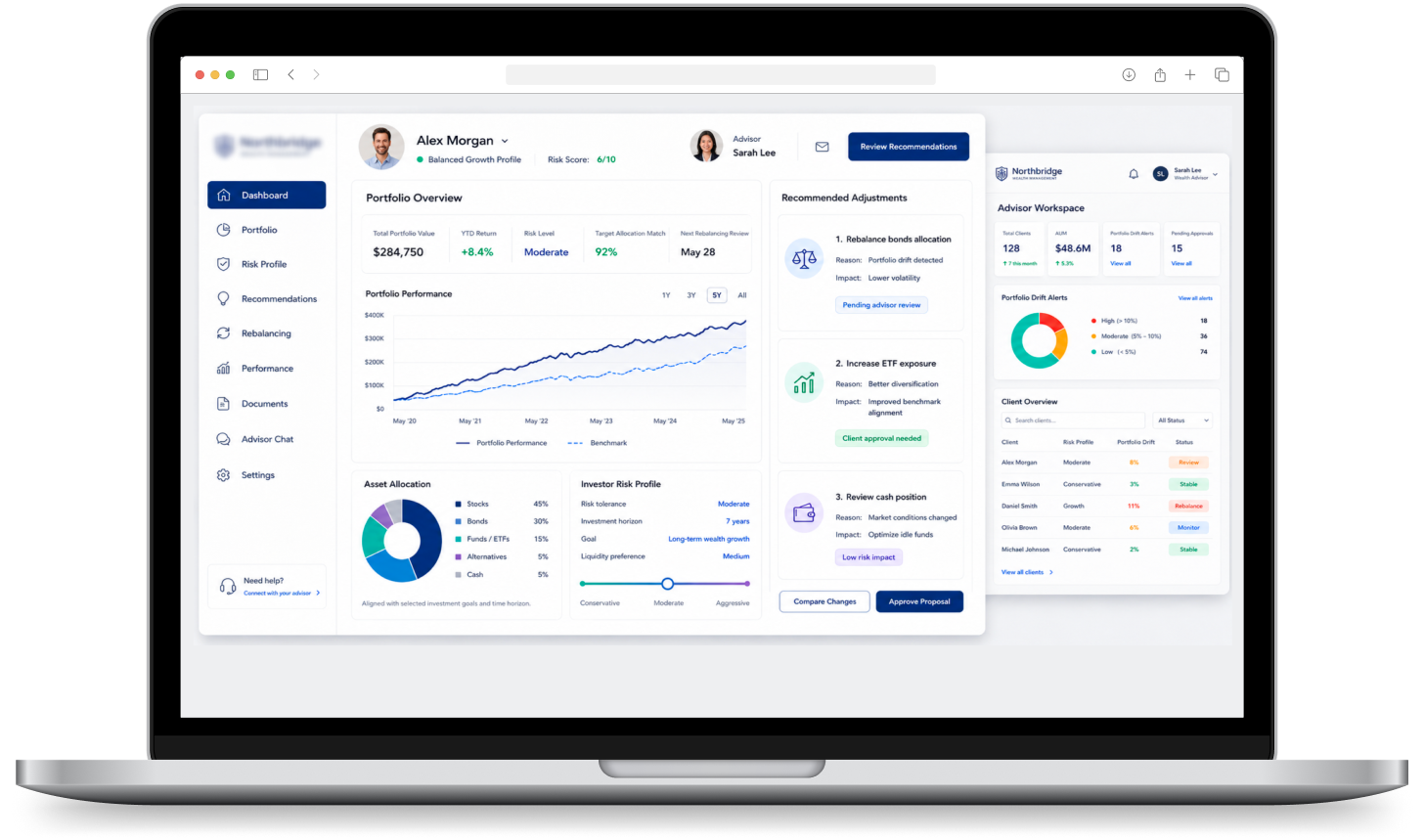
For wholesale distributors with 50 to 1,000 staff, Epicor Prophet 21 and Infor CloudSuite Distribution are, in our view, the strongest distribution-first ERPs, and Epicor Eclipse is built for electrical, plumbing and HVAC supply houses. Acumatica suits growing distributors that want pricing driven mainly by transaction volume rather than seat count, and NetSuite suits distributors that sell online or run several entities. Small distributors leaving QuickBooks should look at Microsoft Dynamics 365 Business Central or Odoo.
A distributor makes money on thin margins, so the ERP has to get three things right on every line: the price this customer pays, the stock that is really available, and the cost after vendor rebates. Those numbers must agree with EDI partners, the web store, the CRM, warehouse scanners and carriers. A general ERP can show a clean order screen in a demo and still fail on contract pricing, rebate claims or a 2,000-line EDI purchase order.
This guide is published by Itexus. We don't sell ERP licenses or resell any vendor. We integrate ERPs with the rest of a company's systems, and we say where that matters below.
Quick Picks: Best ERP for Wholesale Distribution by Situation
List prices are from vendor pages as of November 2026. Most distribution ERPs are sold by quote only.
| Best for | ERP | Why | Starting price |
| Industrial and specialty distributors, 50 to 1,000 staff | Epicor Prophet 21 | Distribution-only ERP with WMS, rebates, CRM and ecommerce | By quote |
| Regional North American distributors with complex pricing | Infor CloudSuite Distribution | Deep pricing hierarchy, rebates and EDI 844/845 | By quote |
| Electrical, plumbing, HVAC and PVF supply houses | Epicor Eclipse | Counter sales, job quotes and trade-specific inventory | By quote |
| Growing distributors with many warehouse users | Acumatica Distribution Edition | Priced mainly by resources, not seats; WMS with directed picking | By quote through partners |
| Distributors selling online or across entities | NetSuite | One cloud system for WMS, ecommerce and consolidation | By quote, annual license |
| Small distributors on Microsoft 365 | Microsoft Dynamics 365 Business Central | Inventory and warehouse management in Essentials, built-in Shopify connector | $80/user/month, paid yearly |
| Small distributors in an SAP-run group | SAP Business One | Multi-warehouse, drop-ship and a large partner network | By quote through partners |
| Small teams on a budget | Odoo | All apps, including Inventory and Purchase, for one price | $31.10/user/month, yearly ($24.90 first year) |
Which ERP Fits Your Distribution Business?
What you sell, how you price it, who touches an order and what must connect decide most shortlists.
| If you… | Start with | Because |
| Sell industrial, MRO, fluid power or medical supplies across branches | Epicor Prophet 21 | Epicor positions it as distribution ERP software |
| Manage contract pricing and supplier rebates on most lines | Infor CloudSuite Distribution | Rebate pricing and EDI 844/845 are in the core documentation |
| Run counters and job quotes for contractors | Epicor Eclipse | Epicor lists front-counter sales and job bids |
| Need 50+ logins across warehouses and sales | Acumatica Distribution Edition | Priced mainly by resources and transaction volume rather than user count |
| Sell B2B and B2C online or run several companies | NetSuite | Shopify B2B connector and multi-entity in one system |
| Have under 100 staff and run Microsoft 365 | Microsoft Dynamics 365 Business Central | Published price and a built-in Shopify connector |
| Are a subsidiary of an SAP-run group | SAP Business One | Same vendor as headquarters, partner add-ons |
| Have under 30 staff and outgrow QuickBooks or Fishbowl | Odoo | Published price, inventory and purchasing included |
| Like your ERP but re-key EDI, web or CRM orders | Keep it, fix the integrations | By our estimates, connecting systems costs far less than replacing the ERP |
If you fit two rows, or none, ask us for an outside view before booking demos.
What Wholesale Distributors Actually Need From an ERP
Every ERP has inventory and order entry. These eight points are where distribution ERPs differ.
- Pricing that matches your contracts. Customer-specific prices, quantity breaks, contract and promotional prices with end dates, and a clear order of priority when several apply.
- Rebates and chargebacks. Vendor rebate agreements tracked per line, so reps see real margin and the claim to the supplier is generated, not built in a spreadsheet.
- Replenishment across branches. Min/max and demand-based purchasing, transfers between warehouses, vendor minimums and lead times.
- Warehouse execution. Bins, directed put-away and picking, wave or zone picking, cycle counts and mobile scanning. Decide early whether the ERP's WMS is enough or you need a separate one.
- Order types distributors actually run. Backorders, drop-ship, special orders, kits, will-call and counter sales, returns with restocking fees.
- Lot, serial and expiry tracking. Required for food, medical, chemical and many electrical lines, and for recalls.
- Integrations with trading partners and channels. EDI (850, 855, 856, 810, plus 844/845 for rebates), ecommerce and B2B portals, marketplaces, CRM, shipping carriers, sales tax, banks and payments, and BI. Get each one classed as native, connector or custom before you sign.
- Costs per user that fit a warehouse. Per-user pricing hurts when 40 pickers and drivers need a login.
What matters less than vendors suggest: AI forecasting you won't trust until your item data is clean, dozens of dashboards, and manufacturing modules you will never switch on. Getting price, stock and rebate cost right on every line matters more.
The Shortlist in Depth
Eight systems in three groups: distribution-first ERPs (Prophet 21, Infor CloudSuite Distribution, Eclipse), mid-market ERPs with strong distribution editions (Acumatica, NetSuite, Business Central), and smaller-business options (SAP Business One, Odoo). The order reflects fit for a wholesale distributor with 20 to 1,000 staff, not the alphabet. We have not tested them in a warehouse of our own, so each claim is credited to the vendor that made it. If you also make what you sell, see our best ERP for manufacturing guide.

1. Epicor Prophet 21
Prophet 21, often called P21, is Epicor's distribution ERP for wholesale distributors.
Who it fits: industrial, MRO, fluid power, medical and specialty distributors with 50 to 1,000 staff and several branches.
Strengths: according to Epicor, P21 covers inventory management with several replenishment methods, lot traceability and vendor-managed inventory, a warehouse management system, order management, a real-time general ledger, CRM, ecommerce and business intelligence. Epicor says rebates are tracked so reps see true gross margin, with agreements reflected in the ledger and price schedules. Finance includes multi-company, multi-currency and an Avalara AvaTax integration.
Limits: Epicor says release 2028.1, tentatively in May 2028, will be the final on-premises feature release of P21, with Active Support through June 30, 2029, followed by Sustaining Support. On-premises customers should plan their cloud decision within a few years.
Integration notes: Epicor says release 2026.1 added new Bulk Data API capabilities, and its EDI product, which integrates with P21, offers REST APIs. Epicor's own CRM is native to P21 and shares its database. For Salesforce, Epicor lists Duet360 OneOffice, a managed integration from Endowance Solutions. Epicor's Storefront Connector syncs inventory, orders and shipments with channels such as Shopify. Epicor's third-party terms note that some partner products are sold stand-alone, with integration for an added fee, so get each one quoted.
Pricing (as of November 2026): not published. Epicor says the cloud version is sold as a subscription; prices come by quote.

2. Infor CloudSuite Distribution
Infor CloudSuite Distribution is Infor's cloud ERP for small and midsize distributors, built on Infor Distribution SX.e, the name many buyers still search for.
Who it fits: regional North American distributors with 50 to 1,000 staff, especially where contract pricing and rebates drive margin.
Strengths: Infor describes it as "tailored for regional, North American-based distributors." According to Infor's documentation, SX.e covers order entry, purchasing, inventory control, warehouse management and financials. Its layered pricing hierarchy includes rebate-based price records, and warehouses set up for walk-in customers can run counter or cash-and-carry sales. Larger distributors are pointed to CloudSuite Distribution Enterprise, built on Infor M3.
Limits: Infor's documentation describes CloudSuite Distribution as a multi-tenant cloud product sold by subscription; SX.e is also documented as on-premises software. Infor's site shows fewer ready-made CRM and ecommerce connectors than NetSuite's or Acumatica's, so check partner apps and local implementation capacity.
Integration notes: integration runs through Infor ION. Infor documents SX.API calls through the ION API for outside systems to update pricing and price sheets, and EDI 845 price authorizations and 844 rebate claims as ION business object documents. CRM, Shopify or a custom B2B portal usually need ION work or custom integration.
Pricing (as of November 2026): not published; by quote.
3. Epicor Eclipse
Epicor Eclipse is Epicor's distribution ERP for electrical, plumbing, HVAC and PVF wholesalers. Epicor also offers it as Eclipse Cloud, a private-cloud SaaS on Microsoft Azure, and Epicor add-ons still list on-premises Eclipse as supported.
Who it fits: supply houses with 30 to 1,000 staff that sell to contractors over the counter, by job and by delivery.
Strengths: Epicor's electrical distribution page lists front-counter POS with credit card processing and signature capture, plus customer-specific, quantity-break and time-sensitive contract pricing. Eclipse's Job Management module creates customer-specific bids and sends requests for quotes to vendors. Epicor's HVAC page lists seasonal inventory control and serial tracking.
Limits: it is narrow by design; a distributor outside these trades fits P21 or a general ERP better. Epicor doesn't publish an end date for Eclipse on premises, so ask Epicor for the roadmap in writing.
Integration notes: Epicor offers an API, with a Premium API bundle that can create, expire and modify price matrices, useful for supplier price files and B2B portals. Epicor's release 2025.2 post lists upcoming enhancements to the EDI 821 reconciliation queue for HVAC distributors. Contractor portals, CRM and bank links outside Epicor's own products usually need custom work.
Pricing (as of November 2026): not published; by quote.

4. Acumatica Distribution Edition
Acumatica is a mid-market cloud ERP; its Distribution Edition adds order, inventory, purchasing and warehouse tools to financials.
Who it fits: growing distributors with 20 to 500 staff where many warehouse, sales and office users need access.
Strengths: according to Acumatica's datasheet, the edition includes sales order management, advanced inventory, requisition and purchase order management, distribution requirements planning, shipping integration and several costing methods, with paperless, directed picking in the warehouse. Its April 2026 licensing guide says Essentials includes 5 named users and allows up to 10, and caps renewal increases at 10% a year on the latest order-form prices, as long as the edition, transaction tier and user count aren't reduced; discounts don't carry into renewals.
Limits: the same guide caps Web API connections by tier (5, 10, 20 and 60), and each integration uses some, so count them before choosing a tier. In our view, rebate management is lighter than in the distribution-first systems, and partner quality varies.
Integration notes: Acumatica lists a native Shopify connector, including B2B on Shopify with customer-specific pricing. Ask your partner which license the Shopify sync needs on a Distribution Edition subscription, and get it on the quote. Acumatica says the platform links with EDI providers, and its Marketplace lists EDI apps such as SPS Commerce.
Pricing (as of November 2026): not published. Acumatica prices mainly by applications and resources (transaction volume) rather than by user count, with named-user options on some plans, and sells through partners; its pricing page says deployment also affects the price. Acumatica's APEX for Distribution package, which bundles software, implementation and support, starts at under $1,495 a month.

5. NetSuite
NetSuite is Oracle's cloud ERP; for distributors it puts finance, inventory, orders, warehouse management and ecommerce in one database.
Who it fits: distributors with 20 to 1,000 staff that sell online, run several entities or currencies, or plan to.
Strengths: according to NetSuite, its WMS supports mobile scanning, RFID, several picking methods, cartonization, cycle counts and cross-docking, and inventory is tracked by bin, lot and location with allocation, drop-ship, backorders and FEFO. Oracle's documentation lists wholesale SuiteApps for bill of lading, deduction and chargeback management, and rebates and trade promotions.
Limits: for EDI, NetSuite points to SuiteCloud partners such as SPS Commerce. NetSuite's license is built from modules and users, so SuiteApps and warehouse logins add up.
Integration notes: NetSuite lists connectors for Shopify B2C and B2B, BigCommerce, Adobe Commerce and WooCommerce, and says release 2026.1 added two-way sync of order edits with Shopify B2B. It says standard Salesforce sync now runs without extra Salesforce licenses. NetSuite's implementation guide names EDI, shipping systems and RF scanning as the common distribution integrations and puts such projects at 4 to 6 months.
Pricing (as of November 2026): not published. NetSuite describes an annual license made up of the core platform, optional modules and users, plus a one-time implementation fee.
6. Microsoft Dynamics 365 Business Central
Business Central is Microsoft's small and mid-market ERP, and its entry plan, Essentials, already includes inventory and warehouse management.
Who it fits: distributors with 10 to 250 staff on Microsoft 365, often moving off QuickBooks or an old on-premises system.
Strengths: Microsoft's pricing page lists inventory and warehouse management in Essentials; service orders and manufacturing are Premium only. Its documentation describes bins, bin types, put-away templates and directed put-away and pick per location.
Limits: ask the partner how rebates and EDI would be handled, whether they need add-on apps, and price those in.
Integration notes: Microsoft documents a built-in Shopify connector that syncs products, inventory, customers, orders, fulfillments and payouts, with Business Central as the inventory record and location filters for which stock shows online. Microsoft's 2026 release plan extends B2B company sync to more Shopify plans. EDI and carrier links need partners or custom work.
Pricing (as of November 2026): according to Microsoft's pricing page, Essentials is $80, Premium $110 and Team Members $8 per user per month, paid yearly.

7. SAP Business One
SAP Business One is SAP's ERP for small and midsize businesses, sold through partners.
Who it fits: distributors with 10 to 150 staff, often subsidiaries of SAP-run groups.
Strengths: according to SAP's documentation, it handles multiple warehouses, bin locations, inventory transfers including to consignment warehouses at customer sites, and drop-ship warehouses that suggest a purchase order to the vendor when a sales order is saved. SAP says it runs in the cloud on a monthly fee or on premises.
Limits: ask the partner which add-ons cover advanced WMS, rebates and EDI; the partner matters as much as SAP. Licenses are per named user, and SAP reserves unrestricted access to all functions for the Professional user type.
Integration notes: for ecommerce, EDI and WMS, ask which partner add-ons the partner supports. SAP's license guide says each user connecting through a DI API add-on also needs a named user license, and partner solutions must be licensed by the partner, so confirm which licenses each integration needs before building it.
Pricing (as of November 2026): not published; authorized partners quote licenses and services.

8. Odoo
Odoo is a modular, open-core business suite with Inventory, Purchase, Sales, Barcode and ecommerce apps.
Who it fits: small distributors with 5 to 50 staff replacing QuickBooks plus spreadsheets or Fishbowl.
Strengths: according to Odoo's documentation, reordering rules keep stock between a minimum and maximum per location, round orders to vendor pack sizes and raise requests for quotation from the top vendor on the pricelist. Its pricing page says paid plans include all apps, and its own ecommerce and CRM apps remove several integrations.
Limits: Odoo's documentation doesn't describe native X12 EDI, so plan on a third-party EDI provider. Rebates and complex contract pricing usually need custom modules.
Integration notes: Odoo's pricing page lists external API access only on the Custom plan, so any outside integration means paying for Custom.
Pricing (as of November 2026): according to Odoo's US pricing, Standard is $31.10 and Custom $61 per user per month billed yearly, with an introductory rate of $24.90 and $49 for the initial users during the first 12 months.
If you sell mostly to consumers online, see our best ERP for ecommerce guide; if you run stores as well, see best ERP for retail.
Comparison Table
| ERP | Deployment | Best size (staff) | Distribution strengths | Integrations | Starting price |
| Epicor Prophet 21 | Cloud; final on-premises feature release 2028.1 | 50–1,000 | WMS, rebates, CRM, ecommerce | REST, Bulk Data API, Epicor EDI | By quote |
| Infor CloudSuite Distribution | Multi-tenant cloud | 50–1,000 | Pricing hierarchy, rebates, counter sales | Infor ION, EDI 844/845 | By quote |
| Epicor Eclipse | Azure private cloud or on-premises | 30–1,000 | Counter POS, job bids, trade inventory | API, price matrix bundle | By quote |
| Acumatica Distribution Edition | Cloud | 20–500 | DRP, directed picking | Shopify, Shopify B2B | By quote |
| NetSuite | Cloud | 20–1,000 | WMS, FEFO, multi-entity | Shopify, BigCommerce, Salesforce | By quote |
| Microsoft Dynamics 365 Business Central | Cloud | 10–250 | Bins, directed put-away and pick | Built-in Shopify connector | $80/user/month |
| SAP Business One | Cloud or on-premises | 10–150 | Multi-warehouse, drop-ship | Partner add-ons | By quote |
| Odoo | Cloud; on-premises on Custom | 5–50 | Reordering rules, own ecommerce | Own apps; API on Custom | $31.10/user/month |
Staff ranges under "Best size" are our judgment; the rest is taken from vendor pages.
Costs Beyond the License
By our estimates, the license is often less than half of a distributor's first-year bill. These ranges are Itexus estimates for a company with 30 to 500 staff, not vendor quotes.
| Cost | Typical range (estimate) | What drives it |
| Implementation | $50,000–350,000+ | Branches, warehouses, pricing rules, partner rates |
| Data migration | $10,000–60,000 | Item masters, price and rebate agreements, open orders, history |
| Simple integration (one-way feed) | $3,000–15,000 each | Whether a ready connector exists |
| Two-way sync (CRM, ecommerce, B2B portal) | $15,000–60,000 each | Customers, prices, stock and orders both ways, error handling |
| EDI setup | $2,000–10,000 per trading partner, plus provider fees | Document types, partner rules, testing |
| Complex integration (separate WMS, legacy ERP, supplier rebate feeds) | $50,000–200,000+ | Volume, real-time stock, several systems of record |
| Customization | $20,000–120,000 | Pricing logic, portals and reports the package lacks |
| Training | $5,000–30,000 | Buyers, warehouse, counter, sales, finance |
| Annual support | 15–25% of license, or a partner retainer | Upgrades, admin time, new trading partners |
Integrations decide the budget because they multiply. By our estimate, a mid-size distributor connects the ERP to six to twelve systems and often dozens of EDI partners. Each one without a ready connector is its own project, and each two-way sync needs a rule on which system owns customers, items, prices and stock.
Customer pricing is the trap. If the B2B portal, the CRM and the ERP each calculate price differently, customers see one number online and another on the invoice. Keep price calculation in the ERP and have every other system ask it. For an estimate on your setup, tell us which systems and trading partners your ERP must reach.
When an Off-the-Shelf ERP Stops Fitting
Building your own ERP rarely pays off for a distributor: these packages carry years of inventory, pricing and accounting logic. What to do about the gaps is the real question.
Extend with integrations when the ERP works but orders move by hand: web orders retyped, EDI purchase orders keyed from PDFs, rebate claims built in Excel. Build custom modules around the ERP when the process is how you win business: a B2B portal with live stock and each customer's contract price, a rep app for quoting on the road, a supplier portal for rebate and price-file uploads, or a credit and payment-terms tool. Prices, stock and rebates should stay in the ERP, with the custom pieces reading from it. Food and beverage distributors with lot and expiry rules should also read our best ERP for food manufacturing guide.
How to Choose and Roll Out an ERP in 8 Steps
- Map how you sell. Share of revenue by counter, delivery, drop-ship, EDI, web and rep orders.
- List every connected system and trading partner. Mark each as native, connector or custom, and count EDI partners by document type.
- Decide which system owns what. Usually the ERP owns items, prices, rebates, stock and orders; the CRM owns leads and activities.
- Script the demos. Give three vendors a real contract-priced order with a rebate line, a backorder and a drop-ship line.
- Get quotes that name everything. Every module and add-on, user counts, API limits, implementation, EDI, migration and renewal terms.
- Clean the data first. Item masters, units of measure, vendor part numbers and price agreements, cleaned before migration rather than after.
- Build integrations alongside configuration. Test with real EDI files, partial shipments, substitutions and returns.
- Go live by branch or warehouse. Reconcile stock and margins in parallel for one cycle, then switch off the old system.
Before You Sign: Checklist
- We listed every system and EDI trading partner the ERP must exchange data with, and marked each as native, connector or custom.
- The vendor ran a real contract-priced order with a rebate line, a backorder and a drop-ship live in the demo.
- We know which modules and add-ons are included and which are separate: WMS, rebates, EDI, ecommerce connectors.
- We counted every user, including warehouse, counter, drivers and part-time staff, and priced them.
- We checked API or connection limits against the number of integrations we plan.
- We have a written quote for implementation, data migration, EDI and integrations, not just licenses.
- We agreed which system owns items, customers, prices, rebates and stock.
- We know the renewal price cap and whether introductory discounts survive the first renewal.
- We have the vendor's deployment roadmap in writing: cloud only or on-premises, and until when.
- We spoke to two reference distributors of our size and product type.
Where Itexus Fits
Much of the work around a distribution ERP sits in its connections, and that is where Itexus helps. We are a custom software development company, best known for fintech work, and we don't sell or resell ERP licenses. For distributors we connect the chosen ERP to CRM, ecommerce and B2B portals, EDI providers, banking and payments, BI and custom apps, migrate data from the old system, and build portals and modules when the package stops fitting.
For example, we built a supply chain finance platform with AI underwriting, a system that depends on clean order, invoice and supplier data from distributors and manufacturers. If you are choosing an ERP, or yours doesn't talk to your EDI partners, web store or CRM, talk to us about your ERP integration.
Itexus is a trusted partner












Itexus delivered the app according to the requirements. The team met all development milestones and deliverables. They were efficient, friendly, and cooperative. Itexus team was very timely with updates, a regular meeting cadence, and ad-hoc questions and answers via Slack. The team was very responsive and still is.
Stive Jackson
RMD, Investing Fund
Itexus’ work positions the business well for an imminent launch. They excel at managing their team, presenting frequent product demos to ensure that the project is aligned with development goals. An affordable price structure coupled with remarkable technical skill makes them an attractive partner.
Phill Osolinski
CEO Ryze Rewards
The assigned team was easy to work with and they are especially strong collaborators and communicators. They demonstrated flexibility, professionalism, and trust in everything they did, and completed the work on time and budget.
Sue Wollan Fan
CEO Mango Connects
Itexus excelled at both experimental AI and sprint-oriented UI/UX tasks. Itexus did strong project management work, too, a necessity in such a complicated project.
Jesse Dubin
Senior PM Standard&Poors
They’re a great group of developers who really understand the reality of business.
Andreea Vanacker
CEO SPARKX5
Frequently Asked Questions
What is the best ERP for distributors?
For most mid-size wholesalers, Epicor Prophet 21 and Infor CloudSuite Distribution are the most distribution-focused choices, and Epicor Eclipse leads for electrical, plumbing and HVAC supply houses. Acumatica suits growing teams, NetSuite online sellers and multi-entity groups, and Business Central or Odoo smaller companies.
What is the best ERP for a small distribution business?
For 5 to 100 staff, Microsoft Dynamics 365 Business Central and Odoo publish prices: Business Central Essentials includes inventory and warehouse management, and Odoo's paid plans include all apps, Inventory and Purchase among them. SAP Business One fits SAP-run groups, and Acumatica fits small distributors that expect to grow fast.
What is the best cloud ERP for wholesale distribution?
NetSuite, Acumatica, Infor CloudSuite Distribution and Epicor Prophet 21 all run in the cloud. Choose by pricing complexity and channels: Infor or P21 for contract pricing and rebates, NetSuite for ecommerce and several entities, Acumatica for fast-growing teams.
Do distributors need a separate WMS?
Not always. Prophet 21, NetSuite, Acumatica and Business Central include warehouse tools such as bins, directed picking and mobile scanning. A separate WMS makes sense with high volumes, automation or 3PLs, and then the ERP-to-WMS link becomes a critical integration.
How much does a distribution ERP cost?
Most vendors don't publish prices. As of November 2026, Microsoft lists Business Central Essentials at $80 per user per month, paid yearly. By our estimates, implementation for a 30 to 500 person distributor adds $50,000 to $350,000 or more, plus EDI and integrations.
Which CRM works best with a distributor's ERP?
The one that connects cleanly to your ERP. Prophet 21, NetSuite and Odoo include their own CRM. Salesforce and HubSpot work too, but need a connector or custom integration so reps see live stock, customer prices and order history.
Can I keep my current ERP and just fix integrations?
Often, yes. If the ERP handles pricing, stock and accounting well but orders arrive by email or PDF, connecting EDI, ecommerce and CRM costs far less than replacing it, by our estimates. Replace it when pricing, rebates or warehouse work no longer fit.