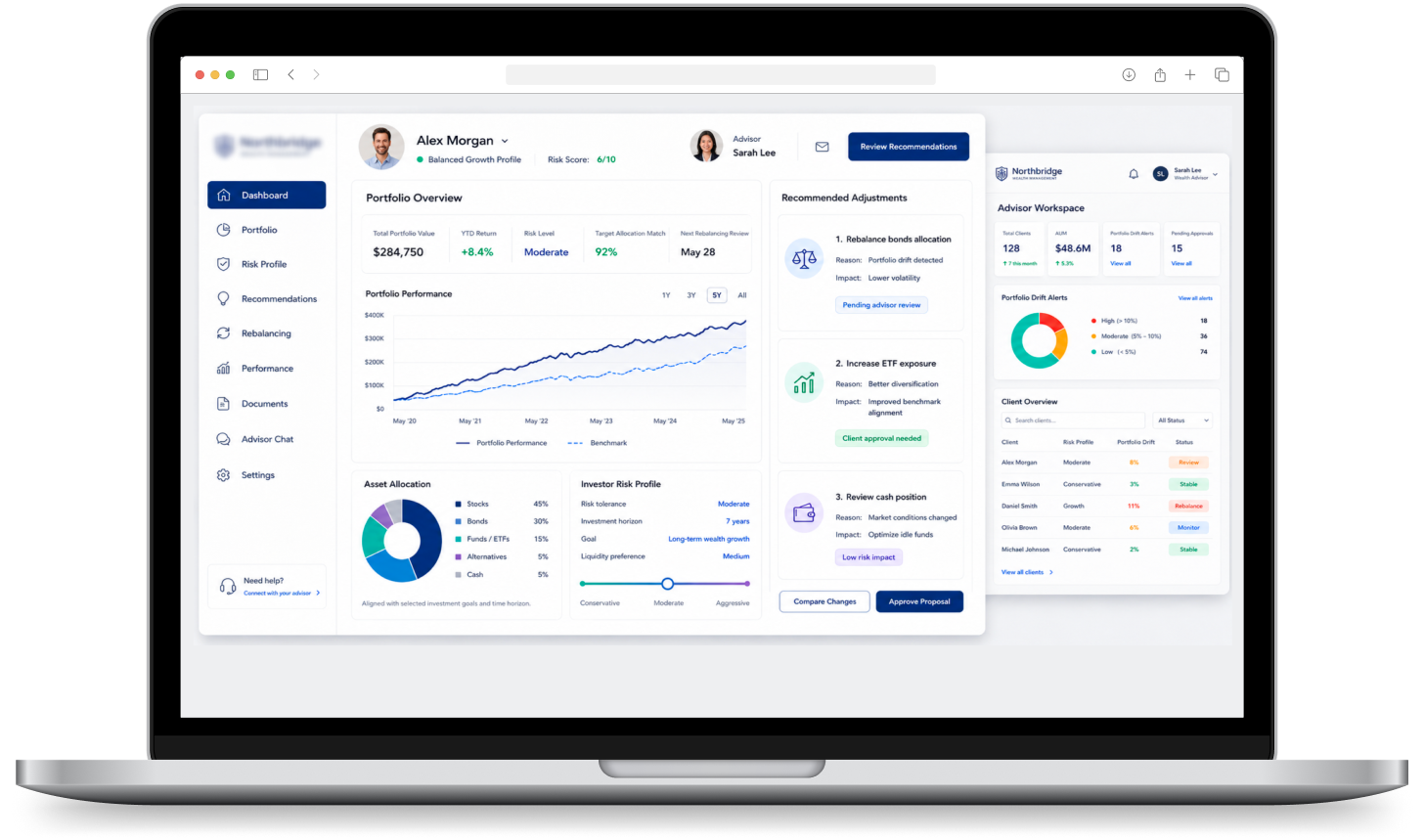
In our view, for batch and formula-based manufacturers with 20 to 500 staff, Deacom ERP and Aptean Process Manufacturing ERP are the strongest process-first systems, and BatchMaster ERP suits formula-heavy chemical, pharma and cosmetics makers that want to keep their accounting system. Microsoft Dynamics 365 Supply Chain Management fits larger regulated plants on Microsoft, and SAP S/4HANA is the usual benchmark for large pharma and chemical groups.
Process manufacturing breaks the logic of a discrete ERP. You make products from formulas, not parts lists, ingredients vary in potency from lot to lot, and one batch can yield co-products and by-products. You need to trace any lot quickly. Pharma adds GMP and 21 CFR Part 11, chemicals add safety data sheets and GHS labels, and cosmetics brands now answer to MoCRA. Run all of this in spreadsheets and the cost shows up at the first audit or recall.
This guide is published by Itexus. We don't sell ERP licenses or resell any vendor. We integrate ERPs with the rest of a company's systems, and we say where that matters below.
Quick Picks: Best ERP for Process Manufacturing by Situation
Prices were checked on vendor pages as of November 2026. Microsoft is the only vendor here that publishes one.
| Best for | ERP | Why | Starting price |
| Batch manufacturers who want one system for everything | Deacom ERP | Formulas, quality, lot tracking, EDI, accounting and WMS in one cloud product | Not published (by quote) |
| Mid-market chemicals, pharma and personal care | Aptean Process Manufacturing ERP | Ross and ProcessPro editions; Aptean lists potency, by-products and lot trace | Not published (by quote) |
| Formula-heavy plants keeping their accounting system | BatchMaster ERP | Process layer on SAP Business One, Business Central, QuickBooks or Sage | Not published (by quote) |
| Regulated mid-size and large plants on Microsoft | Microsoft Dynamics 365 Supply Chain Management | Formulas, co-products, potency balancing and electronic batch records | $210/user/month, paid yearly |
| Multi-site chemical and life sciences firms, 100 to 1,000 staff | Sage X3 | Potency tracking and batch and sub-batch traceability | Not published (by quote) |
| Large pharma and chemical groups | SAP S/4HANA | Master recipes, GMP approvals and product compliance at scale | Not published (by quote) |
| Large chemical producers | Infor M3 | Tank scheduling, co-product planning and potency-based costing | Not published (by quote) |
| Fast-growing cosmetics and nutraceutical brands | NetSuite | Cloud ERP with batch production and listed Shopify and Salesforce connectors | Not published (annual license) |
Which ERP Fits Your Process Manufacturing Business?
Regulation, size, what you already run and how much you make in-house sort most shortlists.
| If you… | Start with | Because |
| Make chemicals, coatings or personal care in batches, one vendor | Deacom ERP | Sold as all-in-one batch ERP |
| Are a mid-market specialty chemical or pharma maker | Aptean Process Manufacturing ERP | Aptean aims the Ross Edition at that segment |
| Keep your accounting system, run formulas in spreadsheets | BatchMaster ERP | Adds formulas, batches and QC to your financials |
| Run GMP production on Microsoft, 200+ staff | Microsoft Dynamics 365 Supply Chain Management | Documented EBRs with electronic signatures |
| Want a broad mid-market ERP with batch control | Sage X3 | Sage lists potency tracking and sub-batch traceability |
| Are a global pharma or chemical group | SAP S/4HANA | Broad recipe, batch and compliance coverage |
| Produce bulk chemicals in tanks | Infor M3 | Chemical ERP with tank scheduling |
| Sell your own brand online, production light or outsourced | NetSuite | Ecommerce, finance and batch tracking in one place |
| Like your ERP but re-key data into LIMS or the web store | Keep it, fix the integrations | Usually cheaper than a new ERP and revalidation, by our estimate |
Plants that fit two rows, or none, can ask us to review the shortlist before booking demos.
What Process Manufacturers Actually Need From an ERP
Ask every vendor to show these eight things on your own formula, not their demo data.
- Formula and recipe management. Versioned, approved formulas that scale by batch size, with mixed units, yields and losses. R&D should test formulas without touching production.
- Potency and active ingredients. When a lot tests at 35% instead of 30%, the system should recalculate the batch and adjust a filler. Ask to see it live.
- Co-products, by-products and costing. One batch, several outputs, with costs split by rule. Without this, margin by product is a guess.
- Lot genealogy and recalls. Forward and backward tracing from supplier lot to customer shipment, and mock recalls.
- Quality inside the transaction. Tests tied to receipts and batch steps, automatic quality holds, certificates of analysis, deviations and CAPA.
- Regulatory records. Pharma and supplements: electronic batch records, signatures and audit trails for Part 11 and GMP. Chemicals: SDS, GHS labels and dangerous goods checks. Cosmetics: ingredient data for MoCRA product listings.
- Integrations with the systems around the plant. LIMS, scales, MES, SDS software, EDI, ecommerce, CRM, banks and BI. Ask which links are native, which use a connector and which are custom, and in regulated plants, who validates each interface.
- A validation path. Under FDA rules, ask what validation help the vendor offers and how cloud updates are handled.
What matters less than vendors suggest: AI forecasting you won't trust until your data is clean, dozens of industry badges, and generic "compliance" claims. A clear answer on how a potency adjustment lands in the batch record beats all three.
The Shortlist in Depth
We split the eight systems into three groups: process-first ERPs (Deacom, Aptean, BatchMaster), broad ERPs with deep process functions (Dynamics 365 Supply Chain Management, Sage X3, SAP S/4HANA, Infor M3), and a cloud suite for brands (NetSuite). The order follows fit for a chemical, pharma or cosmetics manufacturer with 20 to 1,000 staff, not the alphabet. None of the claims come from our own testing; each is attributed to the vendor's pages or documentation. The "Who it fits" lines, including staff ranges, are our judgment. If you make food or beverages, our best ERP for food manufacturing guide covers allergens, catch weight and FSMA in more depth.
1. Deacom ERP
Deacom ERP, owned by ECI Software Solutions, is an all-in-one ERP for batch and process manufacturers.
Who it fits: chemical, coatings, adhesives, cosmetics, nutraceutical and pharma manufacturers with 20 to 500 staff that want one system from formula to invoice.
Strengths: according to ECI, Deacom manages formula revisions, handles overage, degradation and batch yields, and enforces batch records. ECI lists QC holds, certificates of analysis, CAPA and SDS and GHS labeling, and says it helps pharma makers meet GMP and Part 11 with electronic signatures and audit trails, with a separate validation service.
Limits: one platform means you take Deacom's accounting and warehouse modules, too. Deacom doesn't publish a statement on potency calculations; ask to see one. The product page mentions no on-premises option.
Integration notes: ECI lists built-in links for FedEx, UPS and EasyPost, Avatax and TaxJar, and scales, plus EDI and scripts that call REST endpoints. ECI builds 3PL, automation and lab equipment integrations for a fixed fee. ECI doesn't list a named Shopify or Salesforce connector, so those are usually custom work.
Pricing (as of November 2026): not published. ECI shows two packages, Deacom Essentials and Deacom Enterprise, quoted on request.

2. Aptean Process Manufacturing ERP
Aptean sells its process ERP in two editions: the Ross Edition and the ProcessPro Edition.
Who it fits: mid-market specialty chemical and pharmaceutical manufacturers (Ross), chemical and nutraceutical makers (ProcessPro), and personal care brands, which Aptean addresses on its own page; typically 50 to 1,000 staff.
Strengths: according to Aptean, the Ross Edition covers batch sizing, potency calculations, by-product tracking, lot control and expiration, and lot trace and recall through Trace Express. Aptean says the ProcessPro Edition offers formula revision control, R&D formulas kept apart from production, mock recalls, certificates of analysis and an integrated WMS. Aptean's personal care page names MoCRA and cGMP.
Limits: the edition decides the features, so get it named in every demo and quote. Aptean's product pages don't mention Part 11; ask for the validation approach in writing.
Integration notes: Aptean says its EDI is built into its ERPs, with Aptean staff onboarding trading partners, and Aptean lists its Aptean Pay payments product as integrating with the Ross Edition. Plan connector or custom work for ecommerce, LIMS and CRM.
Pricing (as of November 2026): not published; Aptean quotes on request.
3. BatchMaster ERP
BatchMaster is process manufacturing software that runs either as a full ERP or as a manufacturing layer on top of your existing financials.
Who it fits: formula-heavy chemical, pharma, nutraceutical and cosmetics manufacturers with 20 to 300 staff, especially those on SAP Business One, Business Central, QuickBooks or Sage.
Strengths: according to BatchMaster, its pharma edition manages materials by active potency, produces electronic batch manufacturing records, and supports Part 11 and cGMP with electronic signatures and audit trails. It lists versioned formulas with roll-back, FEFO lot and expiry tracking, COAs and serialization, on premises or in the cloud.
Limits: on top of another system, you have two vendors and two upgrade schedules. Confirm features per edition, because the versions differ.
Integration notes: BatchMaster lists links to QuickBooks, SAP Business One, Business Central, Dynamics GP, Sage 100 and 300, Shopify, LISAM for GHS labels and SDS, and scanners and scales. CRM, banks and LIMS usually go through the financial system or custom work. On the Business Central edition you also pay Microsoft: according to its pricing page, Essentials is $80 and Premium $110 per user per month, paid yearly.
Pricing (as of November 2026): not published; BatchMaster quotes on request.
4. Microsoft Dynamics 365 Supply Chain Management
Supply Chain Management is Microsoft's ERP for manufacturing and logistics, with process manufacturing built in.
Who it fits: regulated or multi-site process manufacturers with 200 to 5,000 staff that run Microsoft 365 and Azure.
Strengths: according to Microsoft's documentation, formulas are a BOM type that defines co-products and by-products with yield and cost allocation. Batch balancing recalculates ingredient quantities from the potency of the chosen lot, using active, compensating and filler ingredients. Electronic batch records, which Microsoft describes as a way to meet Part 11 requirements (version 10.0.44 or later), add electronic signatures on formula approval, postings and quality orders.
Limits: a large system, usually a multi-month partner project. Ask which other Dynamics 365 apps, such as Finance, you need and price the bundle. In our view, Business Central has far less process depth without add-ons.
Integration notes: Microsoft documents dual-write, a two-way sync with Dataverse used by Dynamics 365 Sales and Field Service, plus data entities consumed over OData. Microsoft notes dual-write doesn't support distributed transactions, so error handling needs design. LIMS, MES, SDS software and EDI usually need partner apps or custom integration.
Pricing (as of November 2026): according to Microsoft's pricing page, Supply Chain Management is $210 and Supply Chain Management Premium $300 per user per month, paid yearly.
5. Sage X3
Sage X3 is Sage's ERP, which Sage markets to process manufacturers on a dedicated industry page.
Who it fits: chemical, life sciences and personal care manufacturers with 100 to 1,000 staff that want a broad ERP rather than a process specialist.
Strengths: according to Sage, X3 supports recipe versioning, quality controls and audit trails, batch and sub-batch number management with upstream and downstream traceability, and potency tracking. Ask the partner to show how potency changes ingredient quantities in a batch.
Limits: Sage's marketplace lists add-ons such as Procession for SDS, GHS labels and R&D formulas, so regulatory depth means a second vendor. Sage's guides document electronic signatures for journal entries; ask how Part 11 signatures on batch records work.
Integration notes: according to Sage's developer documentation, X3 has a GraphQL API with packages for sales, invoicing and master data. Ecommerce, CRM, LIMS and EDI typically come from partners or custom work.
Pricing (as of November 2026): not published; Sage and its partners sell by quote.
6. SAP S/4HANA
SAP S/4HANA is SAP's enterprise ERP; its cloud editions are now also sold as SAP Cloud ERP.
Who it fits: global pharma, biotech and chemical groups with 1,000 staff or more, and subsidiaries of SAP-run companies.
Strengths: according to SAP's documentation, master recipes drive process orders and product costing, and their approval and change procedures help meet the main GMP requirements. Batch management stores characteristics such as potency per batch. SAP's Product Compliance functions cover safety data sheet content and checks, and dangerous goods classification that can block shipments of unevaluated products.
Limits: cost, time and the need for a strong partner. Public cloud, private cloud and on-premises editions differ in scope and release rules, so confirm which edition covers your recipes and compliance needs.
Integration notes: SAP lists standard APIs and predefined integration content for SAP Integration Suite in its Business Accelerator Hub, and SAP's partner pages list Salesforce integration packages. LIMS and MES links are usually built on Integration Suite or a third-party platform.
Pricing (as of November 2026): not published; SAP and its partners quote licenses and services.

7. Infor M3
Infor M3 is Infor's cloud ERP for process and industrial manufacturers, and the base of Infor's chemical industry ERP.
Who it fits: chemical producers with 300 to 5,000 staff, especially bulk and specialty chemicals made in tanks across several countries.
Strengths: according to Infor, its chemical ERP is built on M3 and covers recipe optimization, tank scheduling, co-product and by-product planning, and costing by potency or specification. Infor says M3 runs multi-tenant on AWS with many companies, sites and currencies in one instance.
Limits: Infor's M3 page doesn't list pharma, so life sciences buyers should look elsewhere first. Its chemical pages don't name SDS or GHS functions; ask what is native.
Integration notes: according to Infor's documentation, M3 exposes more than 6,000 API transactions over REST through the ION API gateway with OAuth 2.0, and Infor recommends its Data Lake for large syncs. Expect to build CRM, ecommerce and LIMS links on ION or as custom work.
Pricing (as of November 2026): not published; by quote.

8. NetSuite
NetSuite is Oracle's cloud ERP suite, with manufacturing modules and a list of ecommerce and CRM connectors.
Who it fits: cosmetics, nutraceutical and specialty chemical brands with 20 to 500 staff that grow through ecommerce, retail and several entities, often with contract manufacturers.
Strengths: according to NetSuite, its chemical offering covers formula control, batch processing, in-process quality checks and automated COA workflows for lot-controlled items. NetSuite's Advanced Manufacturing datasheet adds recipe and formulation management and bar-coded batch travelers with automatic batch lot IDs. NetSuite's pharma page describes validation-ready audit trails for Part 11.
Limits: in our assessment, potency balancing, co-product costing and SDS are not where NetSuite is strongest, and they often come from SuiteApps or custom scripts. Modules add cost, and NetSuite's own compliance article notes that software alone doesn't guarantee compliance.
Integration notes: NetSuite's connector list covers Shopify, BigCommerce, Adobe Commerce, WooCommerce and Salesforce. NetSuite plans to accept no new SOAP web services integrations from 2027.1 and to remove SOAP with 2028.2, so build new links on REST. LIMS, MES and 3PL links are usually custom.
Pricing (as of November 2026): not published. NetSuite describes an annual license made up of the core platform, optional modules and users, plus a one-time implementation fee.
Mostly discrete with a little mixing? Our best ERP for manufacturing guide covers make-to-order and assembly, and chemical distributors should read our best ERP for wholesale distribution guide.
Comparison Table
| ERP | Deployment | Best size (staff) | Process strengths | Regulated features | Integrations | Starting price |
| Deacom ERP | Cloud | 20–500 | Formulas, yields, batch records, WMS | Part 11 support, SDS/GHS, CAPA | Shipping, tax, EDI, REST scripts | By quote |
| Aptean Process Manufacturing ERP | Cloud | 50–1,000 | Potency, by-products, lot trace | MoCRA, cGMP named | Built-in EDI, Aptean Pay | By quote |
| BatchMaster ERP | Cloud or on-premises | 20–300 | Potency, eBMR, formulas | Part 11, cGMP, SDS via LISAM | Business One, Business Central, QuickBooks, Shopify | By quote |
| Microsoft Dynamics 365 Supply Chain Management | Ask Microsoft | 200–5,000 | Formulas, co-products, batch balancing | EBR with e-signatures | Dual-write, Dataverse, OData | $210/user/month |
| Sage X3 | Cloud or on-premises | 100–1,000 | Potency tracking, sub-batches | SDS/GHS via partner add-on | GraphQL API, partners | By quote |
| SAP S/4HANA | Cloud or on-premises | 1,000+ | Master recipes, batch characteristics | GMP approvals, SDS, dangerous goods | Integration Suite, APIs | By quote |
| Infor M3 | Multi-tenant cloud | 300–5,000 | Tank scheduling, co-products | Compliance tools (ask for detail) | ION API, 6,000+ APIs | By quote |
| NetSuite | Cloud | 20–500 | Batch, lot trace, COA | Part 11 audit trails (claimed) | Shopify, Salesforce, REST | By quote |
Vendor pages are the source for features and prices; "best size" and the grouping are our judgment.
Costs Beyond the License
For a regulated process manufacturer, everything around the license usually costs more than the license in year one. Itexus estimated these ranges for a producer with 50 to 500 staff; treat them as planning figures, not vendor quotes.
| Cost | Typical range (estimate) | What drives it |
| Implementation | $100,000–500,000+ | Plants, formula count, quality processes, partner rates |
| Data migration | $15,000–100,000 | Formulas and revisions, lot history, specs, open orders |
| Simple integration (one-way feed) | $3,000–15,000 each | Whether a ready connector exists |
| Two-way sync (CRM, ecommerce, accounting) | $15,000–60,000 each | Customers, prices, orders and lots both ways, error handling |
| Complex integration (LIMS, MES, scales, SDS software, EDI, legacy ERP) | $50,000–200,000+ | Instrument data, batch steps, trading partners, validation |
| Computer system validation (FDA-regulated only) | $30,000–150,000 | Risk assessment, test scripts, validated interfaces, revalidation |
| Customization | $20,000–150,000 | Labels, batch tickets, portals and workflows the package lacks |
| Training | $10,000–50,000 | Operators, QC, regulatory, planners, finance |
| Annual support | 15–25% of license, or a partner retainer | Upgrades, revalidation, new integrations |
Integrations drive the budget because each one adds testing. A plant links the ERP to a LIMS, scales, an SDS tool, EDI partners, a CRM and often a web store. In a GMP plant, we treat every interface that touches a batch record as part of the validated system, to be retested after changes.
Every interface you avoid is one less to validate, so let the systems you keep shape the shortlist. For an estimate on your plant, share the list of systems around your ERP with us.
When an Off-the-Shelf ERP Stops Fitting
Process manufacturers should buy the ERP, not build it: formula costing, lot genealogy and batch records are hard to get right. The decision that remains is what to do at the edges.
Connect systems when the ERP does its job and the problem is manual transfer: lab results retyped from the LIMS, batch weights copied from scales, orders keyed in from a retailer portal. Build custom software around the ERP when the process is what you sell: a customer portal with COAs and SDS per lot, or an R&D formulation workbench. Formulas and lots stay in the ERP and custom code lives outside it, which keeps upgrades and revalidation manageable.
How to Choose and Roll Out an ERP in 8 Steps
- Define your regulatory scope. List which products fall under GMP, Part 11, OSHA HazCom, MoCRA or EU rules. This decides half the shortlist.
- Pick three hard formulas. One with potency adjustment, one with co-products or rework, one with a complex label. Use them in every demo.
- Map the systems around the plant. LIMS, scales, MES, SDS software, EDI, CRM, ecommerce, banks. Mark each native, connector or custom.
- Assign data ownership. Usually the ERP owns formulas, lots, specs, prices and orders; the LIMS owns raw test data; the SDS tool owns hazard content.
- Get everything quoted in writing. Edition, modules, users, implementation, integrations, migration, validation and renewal terms.
- Clean formula and item data first. Duplicate raw materials and stale formula versions delay go-lives.
- Validate as you build. In regulated plants, write requirements and test scripts with the configuration, not after it, and include every interface.
- Go live with a mock recall. Before switching off the old system, trace one lot both ways in the new one.
Before You Sign: Checklist
- We have a list of every system the ERP must exchange data with, each marked native, connector or custom.
- The vendor ran our potency-adjusted formula and a co-product batch live in the demo.
- We saw a forward and backward lot trace and a mock recall on our own data.
- We know which edition and modules are included, and which features come from partner add-ons.
- The vendor explained, in writing, how it supports Part 11, GMP or SDS requirements that apply to us, and what validation help it offers.
- Implementation, data migration, integrations and validation are all in the written quote, not just licenses.
- We agreed which system owns formulas, specs, lots, customers, prices and orders.
- We checked how cloud updates are announced and tested, and what that means for revalidation.
- We spoke to two reference customers in our industry and size.
- We know how to export formulas, lot history and batch records if we leave.
Where Itexus Fits
A process ERP holds formulas and lots, but the plant runs on several systems, and the links between them are where Itexus works. We are a custom software company whose strongest field is fintech, and we don't sell or resell any ERP. For process manufacturers we link the ERP you pick to LIMS, CRM, ecommerce and B2B portals, banks, payment providers and BI, migrate formula and lot data from the old system, and build customer portals or custom modules when the package stops fitting.
As an example of that kind of work, we built a supply chain finance platform with AI underwriting that runs on invoice, order and supplier records, the same kind of data a process ERP has to share. If you are choosing a process ERP, or have one that doesn't talk to your lab, plant or web store, talk to us about connecting your process ERP.
Itexus is a trusted partner











Itexus delivered the app according to the requirements. The team met all development milestones and deliverables. They were efficient, friendly, and cooperative. Itexus team was very timely with updates, a regular meeting cadence, and ad-hoc questions and answers via Slack. The team was very responsive and still is.
Stive Jackson
RMD, Investing Fund
Itexus’ work positions the business well for an imminent launch. They excel at managing their team, presenting frequent product demos to ensure that the project is aligned with development goals. An affordable price structure coupled with remarkable technical skill makes them an attractive partner.
Phill Osolinski
CEO Ryze Rewards
The assigned team was easy to work with and they are especially strong collaborators and communicators. They demonstrated flexibility, professionalism, and trust in everything they did, and completed the work on time and budget.
Sue Wollan Fan
CEO Mango Connects
Itexus excelled at both experimental AI and sprint-oriented UI/UX tasks. Itexus did strong project management work, too, a necessity in such a complicated project.
Jesse Dubin
Senior PM Standard&Poors
They’re a great group of developers who really understand the reality of business.
Andreea Vanacker
CEO SPARKX5
Frequently Asked Questions
Which ERP is best for process manufacturing?
In our view, for batch manufacturers with 20 to 500 staff, Deacom ERP and Aptean Process Manufacturing ERP are the strongest process-first options, and BatchMaster suits companies keeping their accounting system. Larger regulated plants should look at Dynamics 365 Supply Chain Management, Sage X3 or SAP S/4HANA.
What is the best ERP for the pharmaceutical industry?
Small and mid-size drug, OTC and supplement makers can start with BatchMaster, Deacom and Aptean's Ross Edition, which their vendors market to pharmaceutical manufacturers. Mid-size and large plants look at Dynamics 365 Supply Chain Management, which documents electronic batch records with signatures, and SAP S/4HANA for global groups.
Is any ERP 21 CFR Part 11 compliant out of the box?
No software is compliant by itself. Vendors provide features that support Part 11, such as electronic signatures, audit trails and access controls. The regulated company still validates the system, its configuration and its interfaces, and keeps it validated after updates.
What is the best ERP for chemical manufacturing?
Mid-size chemical makers often shortlist Deacom, Aptean or BatchMaster; firms wanting a broad mid-market ERP Sage X3; large bulk producers Infor M3 or SAP S/4HANA. Check SDS and GHS label support early: some ERPs do it natively, others through a partner product.
What is the difference between process and discrete manufacturing ERP?
Discrete ERP builds products from parts with bills of materials and routings. Process ERP makes products from formulas and recipes, handles ingredients that vary by lot, tracks potency, splits batches into co-products and by-products, and keeps lot genealogy for recalls.
What is the best ERP for small cosmetics businesses?
Small brands that mostly sell online and use contract manufacturers can start with NetSuite or keep their accounting system and add BatchMaster. Brands that produce in-house should look at Deacom or Aptean, which name cosmetics and personal care directly and list formula revisions, COAs and lot trace. Aptean's personal care page also names MoCRA.